Dopamine is often called the brain’s “motivation chemical,” but that description is incomplete. It supports reward, learning, movement, and attention. It does not simply create constant happiness. Understanding this difference can make healthy habits feel more realistic and less frustrating.
This guide explores how to naturally boost dopamine without using technology through practical, evidence-informed choices. A brisk morning walk, a protein-rich breakfast, or ten minutes of sunlight can create small but meaningful changes. Finishing a simple task may also provide a satisfying sense of progress. These actions are not instant cures. They work gradually, especially when repeated with patience.
The seven tips focus on sleep, movement, nourishing foods, music-free outdoor time, social connection, manageable goals, and quiet recovery. Some suggestions may feel surprisingly ordinary. That is the point. Real progress often begins with putting on walking shoes, drinking water, or preparing vegetables before hunger arrives.
Keep expectations realistic. Dopamine responses differ between individuals, and lifestyle changes cannot replace professional care for depression, attention disorders, or other medical concerns. A qualified healthcare professional can offer personalized guidance when symptoms persist. Research also continues to develop, so not every popular claim deserves trust.
Try one habit first.
Notice what changes.
A useful plan should fit your life, not punish it. If a strategy feels difficult, adjust it rather than abandoning everything. Even small experiments can reveal which routines improve your energy, motivation, and daily focus.
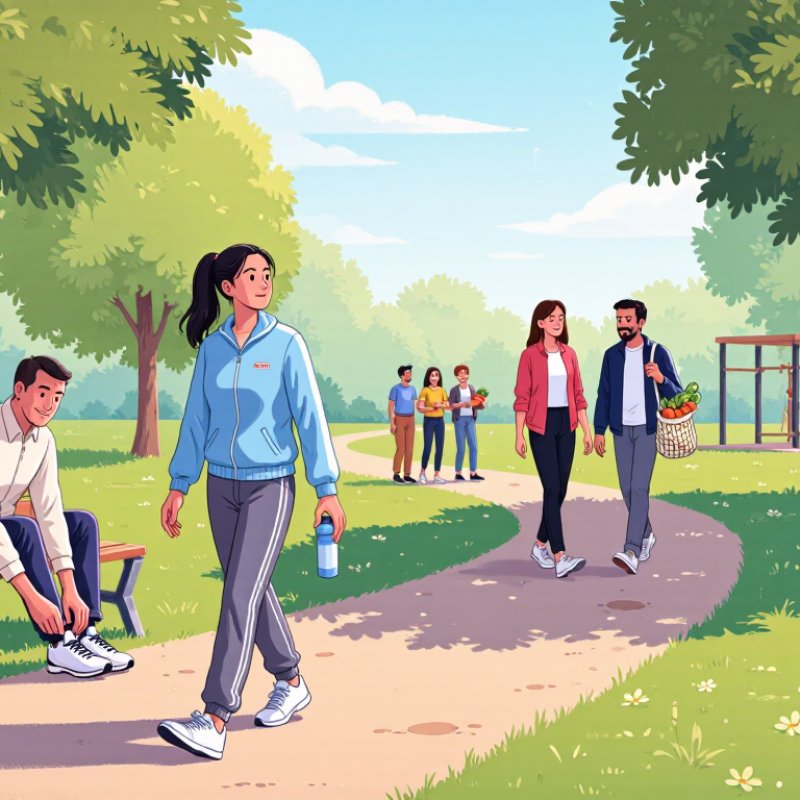
Dopamine is not simply the brain’s “pleasure chemical.” It helps regulate motivation, learning, attention, and the expectation of reward. Natural motivation often grows when a task feels meaningful and achievable, rather than instantly exciting. Research also suggests that sleep, movement, and steady routines support healthy brain function, although no habit can control dopamine precisely.
Tip 1: Move before you wait for motivation. A brisk walk, gentle cycling, or ten minutes of stretching can raise energy and reduce mental resistance. I often notice that difficult work feels less heavy after walking outside. It is not a miracle. Some days, it barely helps.
Tip 2: Create small wins. Break a vague goal into one visible action, such as washing one plate or writing three sentences. Completing that step gives your brain useful feedback.
Tip 3: Seek natural novelty. Try a new walking route, cook with an unfamiliar vegetable, or learn a simple skill without a screen.
Tip 4: Protect sleep. A dim room, regular bedtime, and quiet morning can improve focus more reliably than chasing constant stimulation.
Tip 5: Spend time with people face to face. Honest conversation and shared activity can make effort feel rewarding. Motivation is personal, so observe what changes your mood, then adjust carefully.
Most adults need about seven to nine hours nightly. Keep a consistent waking time, including weekends. A cool, quiet bedroom may help. My own sleep improves when I stop working earlier.
Get outside within an hour of waking. Spend ten to thirty minutes in natural light. Cloudy mornings may require longer exposure. Never stare directly at the sun.
No. Morning light may support systems linked with attention, movement, and motivation. Individual responses vary. The research is still developing, so avoid exaggerated promises.
Choose one clear target, such as walking twenty minutes or reading ten pages. Visible progress can make effort feel rewarding. Keep it modest. Perfect plans often collapse.
Divide them into small steps. Mark each completed step on paper with a simple check. Seeing three completed boxes can make progress concrete. This method may not work equally well for everyone.
Try a slightly difficult activity, such as practicing a language or cooking a new meal. Notice small improvements. Struggle can become satisfying. It can also feel frustrating.
Brisk walking, stretching, or gardening may improve mood and energy. Share progress with someone trustworthy. A real conversation can provide encouragement that a screen cannot replace.
Treat the missed day as information, not failure. Record what happened, including poor sleep or a busy schedule. Restart with a smaller action. Motivation differs between people.
Choose something modest, such as tea, music, or time outdoors. Keep the reward proportional to the task. Track what genuinely helps for one week. The record may challenge your assumptions.
People with sleep disorders, mood conditions, or unusual light sensitivity should seek qualified medical advice. Persistent low mood deserves professional attention. Self-blame is not a treatment.
Dopamine plays an important role in motivation, focus, learning, and the satisfaction we feel after completing meaningful activities. This guide explains how to naturally boost dopamine without using technology by supporting the body and mind through simple daily choices. Rather than seeking instant stimulation, readers can build steady motivation through healthy routines and realistic goals.
Key strategies include maintaining a consistent sleep schedule and getting natural morning light to support the body’s internal rhythm. Regular exercise may encourage healthy dopamine activity, while protein-rich foods and balanced meals provide nutrients needed for energy and mental performance. Setting small goals, learning new skills, and staying connected with supportive people can also create rewarding experiences. Together, these habits offer a practical, sustainable approach to improving motivation and well-being without relying on digital devices.

 Health Line