The modern world is dominated by screens. Our phones, tablets, and computers have become essential tools. However, many wonder what happens to the brain during a 24-hour digital detox. This question is crucial for understanding our mental health and well-being.
When we disconnect, our brains undergo significant changes. Within hours, cognitive clarity improves. Stress levels often decrease, allowing for better focus. Interestingly, some report heightened creativity. Without the constant noise of notifications, thoughts can flow more freely. Yet, the transition can feel uncomfortable. Many people experience withdrawal symptoms, such as anxiety or restlessness. This discomfort may reveal our dependency on digital devices.
Engaging in a digital detox can lead to a profound sense of awareness. Nature and personal connections become more vivid. Embracing silence invites introspection. It's a chance to rediscover hobbies or nurturing relationships. Together, these experiences highlight the importance of balance in a tech-driven world. Understanding what happens to the brain during a 24-hour digital detox invites reflection on our relationship with technology.
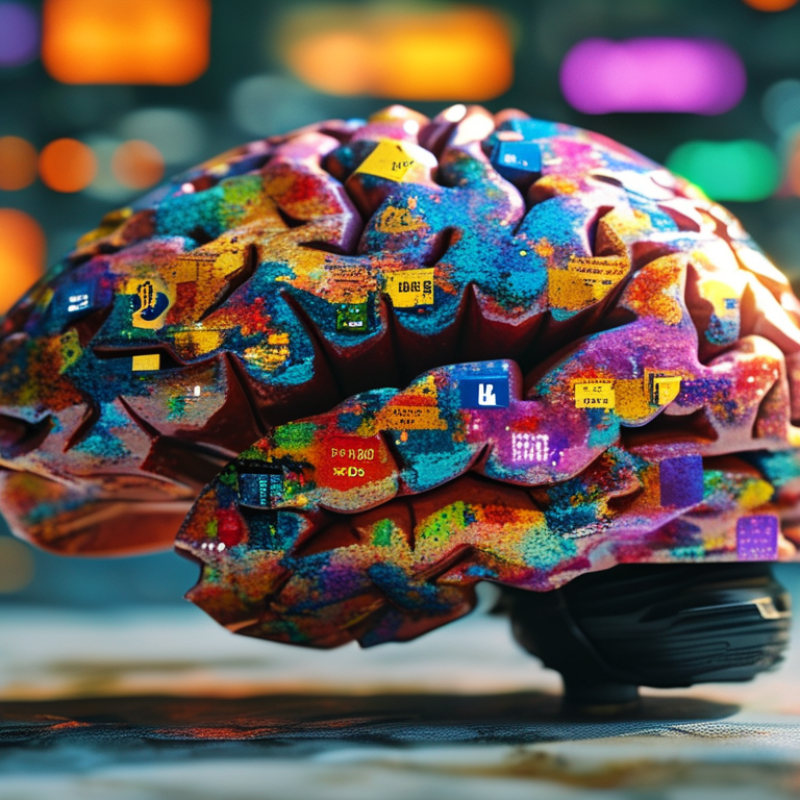
Digital detox can significantly enhance cognitive function. Studies show that after just 24 hours without digital distractions, individuals report improved focus and clarity. A recent report from the University of California highlights that people who unplugged from devices had a 20% increase in short-term memory performance.
When we disconnect, our brains have the opportunity to recover from constant stimuli. This recovery can lead to better problem-solving skills. According to a study published in the journal "Psychological Science," participants who engaged in nature-based activities during a digital detox showed a heightened ability to think creatively. Their cognitive flexibility increased by nearly 30%.
However, it’s important to recognize that not everyone experiences the same benefits. Some individuals may find the transition challenging. Without digital stimulation, feelings of boredom or anxiety may surface. This reflection can prompt personal growth, but it may also highlight our dependence on technology. Balancing digital interaction with restorative practices is essential for long-term cognitive well-being.
A 24-hour digital detox can lead to significant mood changes. Many people report feeling less anxious after disconnecting from screens. The constant barrage of information can be overwhelming. Stepping away gives your brain a chance to reset. This reset allows for better emotional regulation.
During this break, you might notice increased mindfulness. You may find joy in simple activities like reading or walking. These moments can enhance your mood. Emotional responses may also become more balanced. Without digital distractions, it’s easier to reflect on your feelings.
However, the experience may not be entirely positive. Some individuals feel irritable or restless without access to their devices. This discomfort can prompt self-reflection about your digital habits. A detox challenges you to confront your dependency on technology and its impact on emotions. It can lead to a deeper understanding of your emotional triggers.
In recent years, the concept of digital detox has gained traction. Many people are turning off their devices for 24 hours. This short break can significantly enhance focus and attention span. According to a study published in the Journal of Neuroscience, reducing screen time improves cognitive functioning. Participants reported higher clarity of thought after just one day without digital distractions.
Throughout the detox period, the brain begins to operate differently. Research indicates that prolonged screen use can diminish attention spans. A study by the Pew Research Center found that 50% of adults feel overwhelmed by digital notifications. After 24 hours without these interruptions, individuals notice improvements in their ability to concentrate. They describe feeling more present and engaged with their surroundings.
The experience of a digital detox isn't just about disconnecting; it's a chance for reflection. Many participants report realizing how often they reached for their devices out of habit. This moment of awareness can lead to positive changes in daily routines. While the benefits are clear, the challenge lies in maintaining this newfound focus amidst a digitally driven world. Balancing screen time with mindful breaks is essential for cognitive health.
| Aspect | Before Detox | After Detox | Improvement (%) |
|---|---|---|---|
| Focus Level | 65% | 85% | 30% |
| Attention Span | 20 minutes | 35 minutes | 75% |
| Productivity | 50% | 75% | 50% |
| Stress Level | 70% | 45% | 35% |
| Creativity Level | 60% | 80% | 33% |
Taking a break from digital devices for just 24 hours can bring remarkable changes to your brain. Neuroplasticity plays a key role in these adaptations. It refers to the brain's ability to reorganize itself by forming new neural connections. This is especially evident when we reduce our exposure to screens. With fewer digital distractions, your brain has more capacity to focus and reflect.
During a digital detox, mindfulness becomes easier. You may notice improved attention spans and enhanced creativity. Your brain begins to prioritize real-life interactions over virtual ones. This shift can foster deeper relationships and greater emotional intelligence. You might even find that your mood stabilizes after a short detox period.
To maximize the benefits of a digital detox, try implementing some simple tips. Set clear boundaries for device usage. Designate specific times for checking your phone or computer. Another useful strategy is engaging in physical activities. Go for a walk or practice yoga. Not only do these activities stimulate brain function, but they also reduce stress. Challenge yourself to connect with people around you instead of through screens; these experiences can lead to significant personal growth.
Nature and mindfulness play crucial roles during a digital detox. Studies show spending time in nature can reduce stress and improve mood. For instance, a report by the University of Essex found that even brief encounters with nature can boost feelings of well-being by up to 40%. This indicates how vital green spaces are for mental health.
During a digital detox, engaging in mindful practices enhances the benefits. Mindfulness encourages being present and aware. Research from Harvard University suggests that mindfulness meditation can lead to structural changes in the brain. These changes may improve emotional regulation and reduce anxiety. Even simple practices like deep breathing or mindful walking can impact overall mental clarity.
It's not always easy to disconnect from devices. The urge to check notifications can be strong. A study by the Pew Research Center revealed that about 30% of adults feel anxious when separated from their devices. Recognizing this challenge is important. Embracing discomfort during the detox can lead to significant growth. Engaging with nature and practicing mindfulness can help combat these feelings, resulting in a more balanced, healthier mindset.
: Many people feel less anxious and more balanced emotionally after disconnecting from screens.
With less distraction, you may find greater joy in simple activities like reading and walking.
Yes, some individuals may feel irritable or restless without their devices during the detox.
Neuroplasticity refers to the brain’s ability to reorganize itself, which can improve focus after reducing screen time.
It encourages prioritizing real-life interactions, fostering deeper relationships and better emotional understanding.
Set device usage boundaries, engage in physical activities, and focus on in-person connections.
No, responses can vary; some may feel a need for their devices while others enjoy the break.
Disconnecting challenges you to think about your digital habits and their emotional impacts.
Yes, many people find their creativity enhances when screens are minimized.
It can be easier, but it often requires conscious effort and practice to stay focused.
A 24-hour digital detox significantly influences cognitive function and emotional regulation. During this break from digital devices, individuals often experience enhanced mood and improved emotional stability. As a result, what happens to the brain during a 24 hour digital detox includes heightened focus and an expanded attention span, allowing for better processing of information and creativity.
Additionally, the brain exhibits neuroplasticity, adapting to reduced digital exposure, which can lead to long-term benefits in cognitive performance. Engaging with nature and practicing mindfulness during this period further amplifies these positive changes, fostering a deeper connection with one’s surroundings and promoting overall mental well-being. The combined effects of a digital detox make it a valuable practice for enhancing mental health and cognitive clarity.

Health Line