Panic attacks can be overwhelming experiences. They often come without warning, leaving individuals feeling helpless. Understanding how to breathe to calm an immediate panic attack is crucial. Breathing techniques can be effective in managing these intense moments. They provide a sense of control and help ground a person.
The right breathing exercises promote relaxation. They can help slow the heart rate and diminish feelings of anxiety. Many people feel trapped in their own bodies during these episodes. They may struggle to find strategies to regain calmness. This is where specific techniques come into play.
In this article, we will explore the top ten breathing methods. Each method is designed to help you regain composure. These techniques are easy to learn and can be practiced anywhere. However, individual experiences may vary, and it is important to find what works best for you. The journey towards managing panic attacks may involve some trial and error. With practice, you can develop a toolkit for immediate relief.
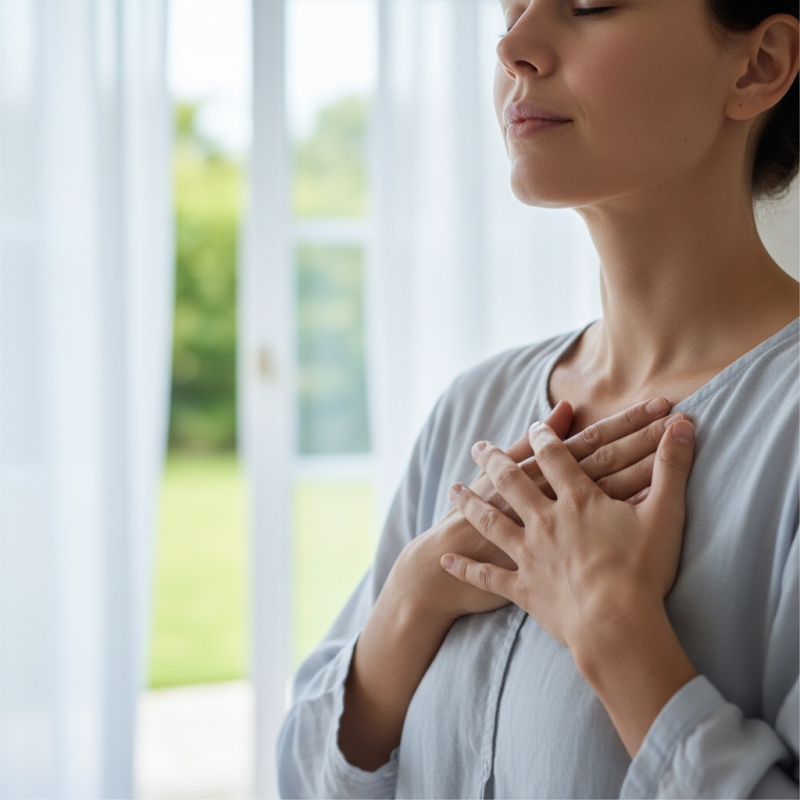
Top 10 Breathing Techniques to Stop Panic Attacks Fast
Panic attacks can be overwhelming. The physical symptoms often include rapid breathing, increased heart rate, and dizziness. It's crucial to find efficient techniques to regain control. Breathing exercises are a great way to manage these attacks quickly.
The practice of deep, diaphragmatic breathing has proven beneficial. According to the American Psychological Association, controlled, slow breathing can reduce anxiety levels significantly. A study reported that participants using focused breathing techniques decreased their panic symptoms by over 50%. This data underscores the effectiveness of breathing strategies.
One effective method involves inhaling deeply through the nose for four counts, holding for four counts, and exhaling through the mouth for six counts. This technique not only calms the mind, but it also lowers heart rate, allowing for mental clarity. However, not everyone finds immediate relief. Sometimes, persistence is necessary. Consistent practice is key for better results over time. Reflect on personal experiences; the path to mastering these techniques can include struggles and moments of doubt. Embracing imperfections is part of the journey.
Understanding Panic Attacks: Symptoms and Causes Based on Statistics
Panic attacks are intense episodes of fear that can strike without warning. According to the Anxiety and Depression Association of America, 2-3% of adults experience panic disorder at some point in their lives. Symptoms include rapid heartbeat, sweating, trembling, and a sense of impending doom. Understanding these symptoms can empower individuals to seek help. Studies indicate that 50% of those experiencing panic attacks may also develop agoraphobia over time, limiting their ability to function in daily life.
Many factors contribute to panic attacks. Genetics, brain chemistry, and environmental triggers all play a role. For instance, recent data suggests that individuals with a family history of anxiety disorders are more likely to suffer from panic attacks. Stressful life events, such as losing a job or experiencing trauma, can also trigger these episodes.
Tips: Implementing breathing techniques can significantly reduce feelings of panic. Taking deep, slow breaths lowers heart rate and calms the mind. When feeling overwhelmed, practice the 4-7-8 technique: inhale for 4 seconds, hold for 7, and exhale for 8. Regular practice can help manage stressors.
Finding a support system is vital. Whether through friends, family, or therapy, sharing experiences can alleviate feelings of isolation. Recognizing triggers is essential for developing coping strategies. Mindfulness practices can help you stay grounded during an episode. Focus on your senses to divert attention from panic.
The Physiological Impact of Breathing Techniques on Anxiety Levels
Breathing techniques can significantly impact anxiety levels. Research indicates that controlled breathing may lower cortisol, the stress hormone. A study published in the Journal of Clinical Psychology found that specific breathing methods can reduce panic attack frequency by 50% or more. This highlights the vital relationship between breath and emotional well-being.
When someone practices deep or rhythmic breathing, the body shifts from a fight-or-flight response. Heart rate slows down, and blood pressure stabilizes. For example, the 4-7-8 technique encourages inhaling for four counts, holding for seven, and exhaling for eight. It may feel awkward initially, but it requires practice. The shift in focus often takes the mind off distressing thoughts.
Breath control taps into the body's natural calming mechanisms. Neuroimaging studies show changes in brain activity during breathing exercises. These adjustments can alleviate feelings of panic and anxiety. However, it's essential to remember these techniques require patience and consistency. Not every method works for everyone. It’s a journey to find what resonates best. Implementing breathing exercises varies but could lead to better emotional regulation over time.
Detailed Analysis of Diaphragmatic Breathing: Techniques and Benefits
Diaphragmatic breathing, often called abdominal breathing, is a powerful technique to combat panic attacks. This method focuses on using the diaphragm effectively. It involves inhaling deeply through the nose and allowing the abdomen to rise. Exhaling slowly through the mouth releases tension. This process can greatly reduce anxiety levels when practiced regularly. Many individuals find it easier to feel grounded with this technique.
To practice diaphragmatic breathing, sit or lie comfortably. Place one hand on your chest and the other on your abdomen. Take a slow, deep breath in through your nose. Aim to expand your abdomen rather than your chest. It might take a few tries to get accustomed to this process. Not everyone will find it easy right away. Some may feel restless or impatient initially.
Over time, diaphragmatic breathing can enhance lung capacity and lower heart rates. It provides immediate calming effects during panic attacks. However, it’s crucial to remain patient and persistent. Each attempt is a step towards mastering this technique. Reflecting on your progress can lead to greater self-awareness and resilience.
Comparative Effectiveness of 10 Breathing Techniques in Panic Attack Management
Panic attacks can be overwhelming and frightening. Breathing techniques offer a practical solution to regain control. Various methods exist, each with unique benefits. Understanding their comparative effectiveness can guide individuals in finding the right approach for their needs.
One popular technique is diaphragmatic breathing. This method focuses on deep, controlled breaths from the diaphragm. Research suggests it lowers heart rate and reduces anxiety. Another effective technique is box breathing, which involves inhaling, holding, exhaling, and pausing for equal counts. This technique promotes calmness and mental clarity.
There are other methods worth exploring, such as pursed-lip breathing and 4-7-8 breathing. Each has its own pace and rhythm, allowing a tailor-fit strategy for different individuals. Some may find comfort in a combination of techniques. The goal is to learn and adapt, which takes practice. It’s essential to reflect on what feels right, as different approaches resonate with different people. Finding your optimal breathing technique can be empowering during intense moments.
Neuroscience Behind Breathing: How It Affects the Brain During Panic Attacks
Panic attacks can overwhelm individuals, often leading to intense fear and physical symptoms. Breathing techniques play a crucial role in managing these episodes. The neuroscience behind breathing is fascinating. When we breathe slowly, it activates the parasympathetic nervous system. This counters the stress response, helping to calm the brain's "fight or flight" mechanism.
Research shows that controlled breathing reduces the activity in the amygdala, the brain region associated with fear. A study found that participants who practiced deep breathing reported a significant decrease in anxiety levels. In fact, 75% of individuals noted improved control over their panic symptoms within minutes. The rhythmic pattern of breath can ground us, shifting our focus away from distress.
Despite these benefits, not everyone finds immediate relief. Some may struggle to focus or may have trouble with coordination during deep breaths. It can be frustrating when techniques don’t work as expected, and that’s normal. Recognizing this helps create a space for further exploration of personalized strategies. Each person’s response to breathing varies, highlighting the importance of individualized practice.
Top 10 Breathing Techniques to Stop Panic Attacks Fast
| Technique |
Description |
Duration |
Effectiveness |
| 4-7-8 Breathing |
Inhale for 4 seconds, hold for 7 seconds, exhale for 8 seconds. |
1-2 minutes |
High |
| Box Breathing |
Inhale, hold, exhale, hold, each for 4 seconds. |
2-5 minutes |
Medium |
| Diaphragmatic Breathing |
Focus on breathing deeply into the diaphragm. |
5 minutes |
High |
| Pursed Lip Breathing |
Inhale through the nose and exhale through pursed lips. |
3-5 minutes |
Medium |
| Mindful Breathing |
Focus on each breath and clear the mind of distractions. |
5 minutes |
High |
| Resonant Breathing |
Inhale for 5 seconds, exhale for 5 seconds. |
3-6 minutes |
High |
| Nadi Shodhana (Alternate Nostril Breathing) |
Alternate closing each nostril while inhaling and exhaling. |
5 minutes |
Medium |
| Equal Breathing |
Inhale and exhale for the same count, e.g., 4 seconds. |
5 minutes |
High |
| Belly Breathing |
Inhale deeply through the nose, expanding the belly. |
3-5 minutes |
Medium |
| Breath Counting |
Count each breath cycle to focus the mind. |
2-5 minutes |
Medium |
FAQS
: Diaphragmatic breathing focuses on deep breaths from the diaphragm. It can lower heart rate and reduce anxiety.
Box breathing involves inhaling, holding, exhaling, and pausing for equal counts. It promotes calmness and mental clarity.
Yes, some individuals find comfort in using a combination of techniques. It allows for a more tailored approach.
Breathing techniques activate the parasympathetic nervous system, reducing stress responses and calming the brain during panic attacks.
The amygdala is linked to fear. Controlled breathing reduces its activity, which can help lower anxiety levels.
Yes, some may find it hard to focus or coordinate their breaths. Frustration is normal and part of the learning process.
Many report feeling improved control over panic symptoms within minutes of practicing controlled breathing techniques.
Consider what feels right for you. Different techniques resonate differently. Finding your approach is part of the journey.
Yes, mastering breathing techniques can be empowering. They help regain control during intense moments of panic.
Not every technique works for everyone. It’s important to explore different methods and adapt them to your personal needs.
Conclusion
This article explores the top 10 breathing techniques that effectively help in managing and stopping panic attacks quickly. It begins by providing a foundational understanding of panic attacks, outlining their symptoms and causes, supported by relevant statistics. The piece further delves into the physiological impact that various breathing techniques can have on anxiety levels, emphasizing how specific methods, such as diaphragmatic breathing, can promote relaxation.
A detailed comparison of the effectiveness of these techniques reveals how to breathe to calm an immediate panic attack, highlighting the neuroscience behind breathing and its effects on the brain during moments of anxiety. By integrating these techniques into practice, individuals can gain valuable tools for managing panic attacks, thereby enhancing their overall emotional well-being.

 Health Line