Microplastics are tiny plastic particles that have infiltrated our environment and bodies. These pollutants come from various sources, including cosmetics, clothing, and food packaging. We unknowingly consume microplastics daily, raising concerns about their impact on human health. This leads to an urgent question: how to detox microplastics from the human body effectively?
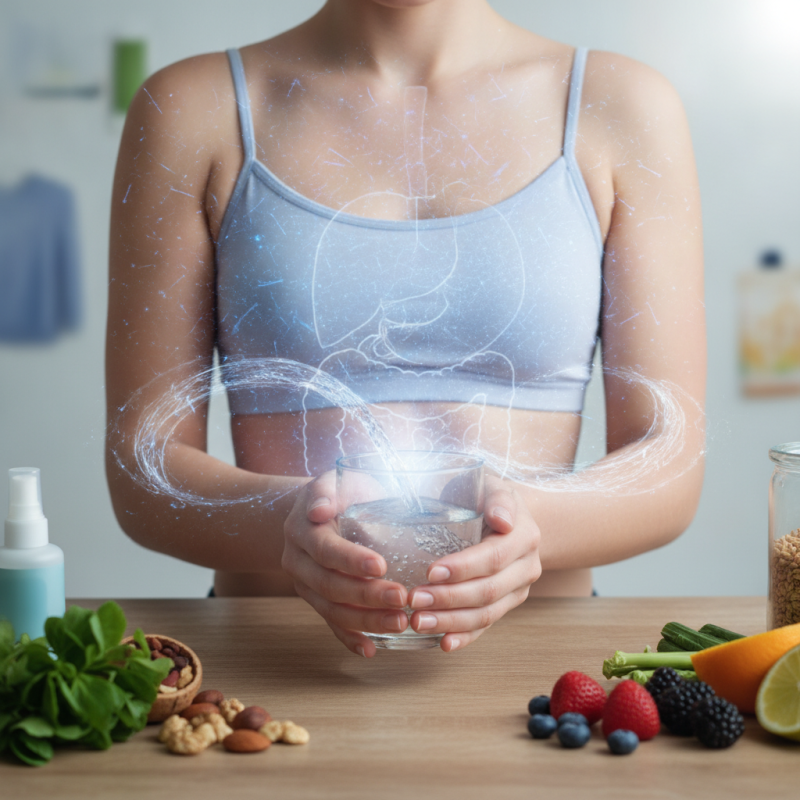
Research shows that microplastics can accumulate in tissues and organs, provoking inflammation and other health issues. Despite the challenges, there are practical steps individuals can take to reduce their microplastic burden. Hydration and a well-balanced diet rich in antioxidants can support the body’s natural detoxification processes. Additionally, incorporating fiber in your meals may aid in the elimination of these particles.
However, it's important to acknowledge that the science surrounding detoxification of microplastics is still emerging. While various methods are proposed, their effectiveness can vary among individuals. Continuous learning and adaptation are essential, as is fostering a broader awareness of microplastic sources to mitigate future exposure.
Understanding Microplastics and Their Impact on Health
Microplastics are tiny plastic particles measuring less than five millimeters. They come from various sources, including clothing, packaging, and industrial processes. These particles often end up in our food and water supply. Research reveals their potential to disrupt human health. They can enter the bloodstream and affect vital organs. Long-term exposure may lead to significant health issues, such as inflammation or immune responses.
Understanding the impact of microplastics on health is crucial. Studies indicate they can carry harmful chemicals. These toxins may leach into our bodies, raising concerns about chronic diseases. The full extent of microplastics' effects on health is still unclear. Scientists continue to investigate their long-term implications. Meanwhile, it is important to be aware and take action.
People can reduce exposure by choosing natural fibers over synthetic ones. Drinking filtered water can also help. Reducing plastic use is another key step. However, effective detox methods are still a subject of debate. Some suggest natural detoxifiers like certain herbs or increased hydration. More research is needed to develop reliable and effective detox strategies for microplastics. It’s a growing concern that requires our immediate attention.
How to Detox Microplastics from Your Body Effectively? - Understanding Microplastics and Their Impact on Health
| Detox Method |
Description |
Effectiveness |
Recommended Frequency |
| Hydration |
Drinking sufficient water helps flush out toxins, including microplastics. |
High |
Daily |
| Fiber Intake |
Consuming high-fiber foods aids digestion and helps eliminate toxins. |
Medium |
Daily |
| Antioxidant Foods |
Foods rich in antioxidants may help combat oxidative stress from toxins. |
Medium |
Daily |
| Physical Activity |
Regular exercise enhances metabolism and supports detoxifying processes. |
High |
3-5 times a week |
| Activated Charcoal |
Can bind to certain toxins in the gut, potentially aiding detox. |
Variable |
As needed |
Identifying Sources of Microplastics in Your Daily Life
Microplastics are everywhere. They are in the air we breathe, the food we eat, and the water we drink. According to a report by the World Health Organization, 90% of table salt contains microplastics. This alarming statistic highlights the pervasive nature of these tiny particles. Many personal care products, such as exfoliating scrubs, contribute to this issue. They often contain microbeads that wash off and enter waterways.
Household items are also significant contributors. Synthetic clothing releases microfibers when washed. A single load of laundry can produce up to 700,000 microfibers, which eventually find their way into oceans. In addition, food packaging and bottled drinks may leach plastic particles into our diet. Research shows that ingesting microplastics could pose health risks, including inflammation and hormonal disruptions.
Identifying these sources is the first step toward reducing exposure. Consider choosing natural fabrics over synthetics. Opt for DIY personal care products without microbeads. Research has suggested that regular cleaning and using air purifiers can help minimize indoor air pollution from microplastics. Awareness is vital. Reflect on daily habits and make small changes towards a healthier lifestyle.
Microplastics Sources in Daily Life
Effective Dietary Strategies to Reduce Microplastic Absorption
Microplastics are tiny particles found in our environment. They can enter our bodies through food and water, which raises health concerns. To effectively reduce microplastic absorption, dietary choices play a significant role. Eating whole, organic foods is essential. These foods are less likely to be contaminated with microplastics compared to processed ones.
Incorporating foods high in antioxidants can help. Fruits and vegetables like berries, kale, and spinach are great options. They can support your body in detoxifying harmful substances. Staying hydrated is also crucial. Drinking water helps flush out toxins. However, using a water filter can minimize microplastic contamination.
Consider adding fiber-rich foods to your diet. Whole grains, beans, and legumes can improve digestion and aid in the elimination of toxins. Regularly consuming omega-3 fatty acids from sources like flaxseeds or walnuts may also be beneficial. These fats have anti-inflammatory properties. However, maintaining a balanced diet takes effort and planning. Reflecting on food choices can help in making better decisions daily.
Natural Detoxification Methods for Elimination of Microplastics
Microplastics are a growing concern for our health. They can enter the body through various channels, including food, water, and even airborne particles. While complete elimination may be difficult, there are natural methods to help detoxify your system.
Increasing your fiber intake can assist in flushing out toxins. Foods like fruits, vegetables, and whole grains serve as effective natural cleaners. Drinking plenty of water is crucial for supporting kidney function and aiding detoxification. Herbal teas, particularly those with anti-inflammatory properties, may enhance the body's natural detox pathways.
Tips: Incorporate foods rich in antioxidants daily.
Blueberries,
spinach, and
nuts are excellent choices. Consider adding
probiotics to your diet. Fermented foods such as
yogurt and
kimchi can support gut health. Regular physical activity helps improve circulation and may also play a role in detoxification.
Reflecting on habits is vital. Reducing plastic use is essential. Start with small changes like using
reusable bags and
bottles. These adjustments not only help your health but also benefit the environment. Each step counts.
Lifestyle Changes to Minimize Future Microplastic Exposure
Microplastics are everywhere, infiltrating our meals and drinking water. Recent studies estimate that people consume an average of 39,000 to 52,000 microplastic particles annually, mainly from seafood, bottled water, and even salt. To minimize exposure, one of the first steps involves rethinking our food and water sources. Opt for fresh, whole foods instead of processed options that often contain plastic residues.
Alongside dietary changes, consider the type of packaging you interact with daily. For instance, research indicates that food stored in plastic containers can leach microplastics into our meals, especially when heated. Switching to glass or stainless steel where possible may help reduce risk. Additionally, you could filter your tap water to remove microplastics and other contaminants. Reports suggest that home filtration systems can improve water quality significantly.
Moreover, personal habits play a critical role. Choosing natural fibers over synthetic ones can significantly decrease microplastic shedding from laundry. The fashion industry is a significant contributor, with a 2019 study revealing that washing synthetic clothes releases around 700,000 microplastic fibers in a single cycle. Practicing eco-conscious behaviors and thoughtful consumption can lead to notable changes. The journey toward detoxification is ongoing, and learning about our choices is essential for a healthier future.
FAQS
: Microplastics are small plastic particles found in various environments, including air, food, and water.
They can enter through contaminated food and water we consume.
Microplastics can lead to inflammation and hormonal disruptions in the body.
Consider choosing natural fabrics over synthetic ones to minimize microfiber release.
Eating whole, organic foods reduces the chance of exposure to microplastics.
Foods high in antioxidants, like berries and spinach, can assist in detoxification.
Drinking plenty of water helps flush out toxins, reducing potential effects of microplastics.
Using a water filter can help reduce the presence of microplastic contamination in drinking water.
It can be challenging but is crucial for improving overall health and reducing toxin intake.
Taking time to evaluate choices related to food, clothing, and personal care can lead to healthier decisions.
Conclusion
Microplastics have become a significant concern for human health, as they can enter our bodies through various sources, including contaminated food and water. Understanding how to detox microplastics from the human body is essential for reducing potential health risks. Effective strategies include adopting a diet rich in antioxidants, fiber, and hydration to help limit microplastic absorption. Additionally, incorporating natural detoxification methods, such as consuming certain herbs and maintaining proper gut health, can aid in the elimination of these harmful particles.
To further minimize exposure to microplastics, making lifestyle changes is crucial. This involves using less plastic, choosing natural materials, and filtering drinking water. By being mindful of our environment and dietary choices, we can significantly reduce the presence of microplastics in our bodies and enhance our overall well-being.

 Health Line