How to Fix Forward Head Posture from Desk Work Effectively?

Time:2026-05-22 Author:Sophia
0%

In today's digital age, many people spend long hours at their desks. This often leads to issues like forward head posture. This problem can cause pain and discomfort, affecting daily productivity. It’s essential to recognize how to fix forward head posture from desk work.

One effective strategy is to adjust your workstation. Ensure that your computer screen is at eye level. This simple change can significantly reduce strain on your neck. Additionally, take regular breaks to stretch. Even a brief walk can help reset your posture.

Incorporating exercises into your routine offers long-term benefits. Strengthening neck and upper back muscles helps improve alignment. However, it’s crucial to remain consistent with these practices. Make gradual changes and assess their impact. Remember, reversing poor posture takes time and patience.
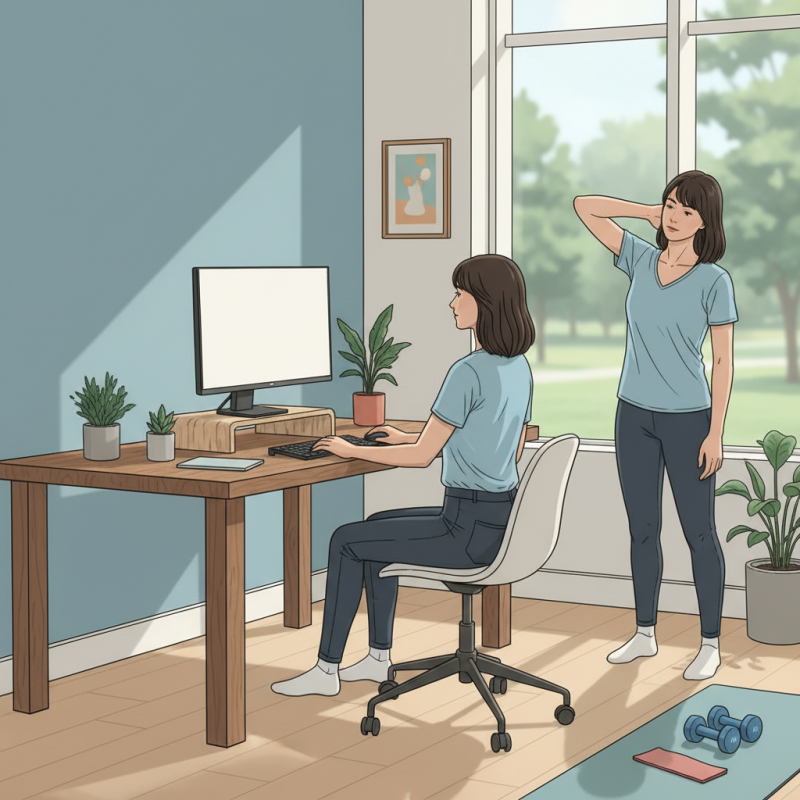
How to Fix Forward Head Posture from Desk Work Effectively?

Understanding Forward Head Posture and Its Causes

Forward head posture (FHP) is a common issue for many who work at desks daily. It occurs when the head juts forward, often due to extended periods of looking at screens. This misalignment can strain muscles and lead to chronic pain. Understanding its causes is the first step in addressing this problem effectively.

Several factors contribute to FHP. Poor ergonomics at the workspace is a primary cause. When your chair, desk, and monitor are not set up correctly, you may hunch forward unknowingly. Eye strain from squinting at small fonts can cause you to lean in closer. Additionally, our habits play a role. Checking smartphones frequently encourages a forward position.

It’s crucial to recognize these triggers. Regular breaks can help mitigate risks. Incorporating simple stretches can counteract tightness. Reflect on your posture throughout the day. Adjust your workspace if you notice discomfort. This awareness can lead to changes that promote better alignment.

Assessing Your Posture During Desk Work

Assessing your posture during desk work is crucial for managing forward head posture. Many people unknowingly slouch or lean forward, especially when focused on screens. This can lead to muscle imbalances and discomfort over time. Awareness of your posture is the first step in rectifying this issue.

It's important to frequently check in with your body. When sitting, ensure your ears are aligned with your shoulders. Use a mirror or ask a colleague for feedback. If you find yourself tilting your head forward or hunching, it's time to make adjustments. Regularly shift your position, and take breaks to stretch and reset your form.

Tips: Try simple neck stretches every hour. Gently lower your chin to your chest and hold for a few seconds. Adjust the height of your monitor to eye level. Your screen should not force your head downward. Additionally, consider investing in an ergonomic chair that encourages a more natural posture. Though it may feel awkward at first, over time, these strategies will cultivate healthier habits.

Effective Stretching Exercises to Alleviate Symptoms

Forward head posture is common among desk workers. It creates tension in the neck and shoulders. Stretching exercises can help alleviate symptoms and improve posture.

One effective stretch is the neck tilt. Sit up straight and gently tilt your head to one side. Hold for 15 seconds, and switch to the other side. This simple exercise can ease tension in the neck muscles. Another stretch is the chest opener. Stand or sit with your hands clasped behind your back. Squeeze your shoulder blades together and lift your arms slightly. This helps open up the chest and counteracts rounded shoulders.

Consistency is key. Aim to do these stretches several times a day. Many people find it easy to forget. Setting reminders can help keep you accountable. Don't be discouraged if you don’t see immediate results. Improving posture takes time and practice. Listen to your body and adjust the intensity as needed.

Effective Stretching Exercises to Alleviate Forward Head Posture

This chart illustrates the effectiveness of various stretching exercises in relieving symptoms associated with forward head posture. Each exercise is rated on a scale from 1 to 10, indicating how effective it is in alleviating discomfort caused by prolonged desk work.

Strengthening Exercises to Correct Forward Head Posture

Forward head posture (FHP) is common among those who spend hours at a desk. It often leads to neck pain and tension headaches. Incorporating specific strengthening exercises into your routine can help correct this posture. One effective exercise is the chin tuck. To perform it, sit up straight and gently pull your chin back, aligning your head over your spine. Hold for a few seconds and repeat for 10-15 reps. This simple yet effective move can significantly reduce the strain on your neck.

Another exercise involves strengthening the upper back. Try the “Y” raise. Lie face down on a flat surface. Extend your arms above your head to form a "Y" shape. Lift your arms and chest off the ground while squeezing your shoulder blades together. Hold this position for a few seconds before lowering down. Remember to breathe throughout the exercise. While these movements seem easy, maintaining proper form is crucial. It's common to feel discomfort or frustration when trying to correct your posture, but being mindful is key to improvement.

Finally, incorporating stretches alongside strength training is essential. Stretch your chest by standing in a doorway with your arms outstretched. Lean forward slightly to feel the stretch. Consistency is important. Though progress may be slow, these exercises can lead to lasting changes if done regularly. Remember, be patient with yourself; correcting forward head posture is a journey, not a sprint.

Implementing Ergonomic Solutions for Desk Setup

Implementing ergonomic solutions for your desk setup is crucial in combating forward head posture. Start by adjusting your chair. Ensure it supports your lower back. Your feet should rest flat on the floor. This basic adjustment can help align your body.

Next, focus on your monitor height. The top of the screen should be at eye level. This prevents you from leaning forward. If you’re using a laptop, consider a riser. You might find this small change makes a big difference.

Additionally, keyboard placement matters. Your arms should form a 90-degree angle. If your keyboard is too low, it can lead to slouching. You need to be mindful of your posture throughout the day. Reflect on how often you catch yourself leaning forward. Small, thoughtful adjustments can lead to lasting improvements.

FAQS

: Why is assessing posture during desk work important?

: It helps manage forward head posture, preventing muscle imbalances and discomfort over time.

How can I check my posture while sitting?

Align your ears with your shoulders. Use a mirror or ask someone for feedback.

What should I do if I notice bad posture?

Make adjustments immediately. Shift positions and take breaks to stretch and reset.

What stretches can alleviate neck tension?

Try neck tilts by tilting your head to each side for 15 seconds.

How often should I perform stretching exercises?

Aim to do stretches several times a day. Consistency is key for improvement.

What is a simple strengthening exercise for forward head posture?

The chin tuck. Pull your chin back to align your head over your spine.

What should I focus on during strengthening exercises?

Maintaining proper form is crucial. Mindfulness helps reduce discomfort and frustration.

Why should I also incorporate stretching with strength training?

It balances your routine and helps improve posture more effectively.

Is progress in improving posture always fast?

No, it can be slow. Be patient and trust the process; it takes time.

What can help keep me accountable for my posture?

Setting reminders can help you remember to check and adjust your posture.

Conclusion

Forward head posture is a common issue resulting from prolonged desk work, characterized by the head jutting forward relative to the spine. To effectively address this condition, it is essential to understand its causes, such as poor ergonomics and prolonged sedentary behavior. Begin by assessing your posture during desk work, noting any habits that may contribute to the problem.

To fix forward head posture from desk work, incorporate effective stretching exercises that relieve tightness in the neck and shoulders. Additionally, strengthening exercises targeting the upper back and core are crucial for restoring proper alignment. Lastly, implementing ergonomic solutions in your workspace, such as an adjustable chair and monitor height, can significantly reduce strain and promote better posture. Consistent practice of these methods will help alleviate symptoms and correct forward head posture over time.

Sophia

Sophia

Sophia is a dedicated marketing professional with an exceptional depth of knowledge about her company's products and services. With a keen understanding of market trends and customer needs, she crafts insightful blog posts that not only inform but also engage readers, enriching the company’s online......