High blood pressure can develop without obvious symptoms, yet it raises the risk of heart disease and stroke. In China, everyday habits may influence blood pressure: salty pickled vegetables, instant noodles, restaurant meals, and frequent use of soy sauce can add more sodium than expected. The goal is not to abandon familiar foods. It is to notice where small changes are possible.
This guide explores how to manage high blood pressure through lifestyle changes, including eating less salt, choosing more vegetables and fruit, staying physically active, limiting alcohol, and improving sleep. A brisk walk through a neighborhood park, taking the stairs, or practicing tai chi can help build a regular routine. Small steps matter. Home readings can also help: sit quietly for five minutes, keep your feet flat, and record the results with the date and time. One reading alone does not tell the whole story.
Lifestyle changes can support blood pressure control, but they do not replace prescribed medicine or professional care. A clinician can interpret readings, review other health conditions, and suggest a safe plan. This is especially important during pregnancy or when readings remain high despite changes. Progress may be uneven. Some advice can also be harder to follow during busy workdays or family meals, and that deserves honest attention. The most useful approach is practical, consistent, and adapted to each person’s needs.
High blood pressure often gives no warning. A person may feel well while pressure quietly strains the heart, brain, kidneys, and blood vessels. One high reading does not confirm hypertension: stress, caffeine, pain, or a rushed walk upstairs can raise it temporarily. Sit quietly for five minutes, feet flat, back supported, and arm at heart level. Use a correctly sized cuff on bare skin, then take two readings one minute apart. Keep a record over several days and share it with a qualified clinician. Home readings help, but do not replace evaluation.
Seek medical advice if readings remain above your clinician’s target, even without symptoms. Do not stop prescribed medicine or rely on herbs instead. Less salty packaged food, regular walking, limiting alcohol, and adequate sleep can support treatment, though results vary. I used to think feeling fine meant a high reading could wait. Not always safe.
If a reading is 180/120 mm Hg or higher, wait one minute and measure again. If it remains that high, contact a medical professional promptly; chest pain, shortness of breath, weakness, confusion, severe headache, or vision changes call for emergency help. During pregnancy, contact a clinician promptly about elevated readings, since risks and care recommendations can differ.
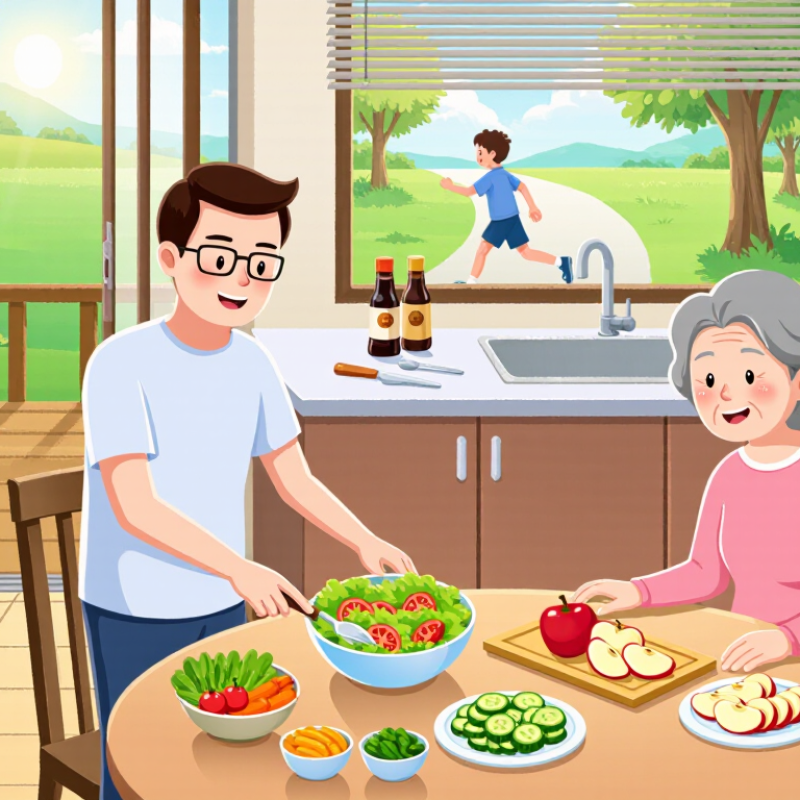
A blood-pressure-friendly Chinese eating pattern can keep familiar flavors while reducing excess sodium. Build meals around steamed brown rice, leafy greens, mushrooms, tofu, beans, and fresh fish. Add ginger, garlic, scallions, vinegar, or citrus for brightness. Small changes matter. Try dipping a dumpling lightly rather than pouring soy sauce over it. Compare labels on sauces, and use less of salty preserved vegetables, cured meats, and instant soup. WHO recommends adults consume less than 2,000 milligrams of sodium daily, equivalent to under five grams of salt. Sodium can hide in sauces and broths, even when a meal tastes only mildly salty.
The DASH clinical trial, published in the New England Journal of Medicine, found that a diet rich in fruits, vegetables, and low-fat dairy lowered blood pressure compared with a typical control diet. Its principles can fit Chinese meals: add another serving of greens, choose beans or tofu more often, and keep portions of fatty meat modest. A bowl of clear soup may still contain substantial sodium, so check ingredients rather than judging by taste alone. That is easy to miss. Taste preferences also take time to adjust; I would not expect every low-salt meal to feel satisfying at first. These food changes support blood-pressure care, but they do not replace prescribed treatment or a clinician’s advice.
Regular movement can support healthier blood pressure and make daily tasks feel easier. Start with a brisk walk around the block, a few laps at a pool, or dancing while dinner cooks. Choose an activity you can repeat, not one that leaves you sore for days. Build up gradually, especially if you have been inactive or have a health condition. Ask a healthcare professional what level of activity is suitable for you.
Tips: Put a 10-minute walk on your calendar. Take the stairs when comfortable. Keep a simple note of your activity and blood pressure readings, if your clinician recommends monitoring. Small steps count.
Supporting a healthy weight may also help manage blood pressure, but progress looks different for everyone. Focus on routines you can maintain, such as regular walks and meals that leave you comfortably satisfied. Avoid crash plans or judging success by one weigh-in. Some weeks get messy; missing a walk is not failure. If you take blood pressure medicine or feel dizzy, unusually breathless, or unwell during activity, pause and seek medical advice.
High blood pressure often has no clear symptoms, so regular checks matter even when you feel well. Stress can raise readings temporarily and make healthy routines harder to maintain. A short pause may help: sit comfortably, relax your shoulders, and breathe slowly for a few minutes. Try this after a crowded commute or before bed. It is not a cure, and it may feel awkward at first.
Sleep deserves attention too. Keep a steady bedtime when possible, dim bright screens, and make the bedroom quiet and comfortable. Late work or family demands can disrupt that plan; small changes are still useful. If loud snoring or daytime sleepiness persists, ask a healthcare professional whether sleep problems need assessment. Avoid tobacco smoke, and seek support if stopping tobacco feels difficult. Smoke-free homes and workplaces can protect others as well. These habits support heart health, but they do not replace prescribed medicine. Do not change treatment without discussing it with a clinician. A notebook of home readings, sleep patterns, and stressful moments can make appointments more useful.
| Lifestyle approach | Practical action | Useful target or measure | Important note |
|---|---|---|---|
| Manage stress | Try slow breathing, mindfulness, gentle yoga, or another relaxing activity regularly. Make time for breaks and social support. | Choose a routine that is realistic and repeatable; note stress levels and home blood pressure readings over time. | Stress-management practices can support well-being, but they do not replace prescribed blood pressure treatment. |
| Improve sleep | Keep a consistent sleep and wake schedule, create a quiet and comfortable bedroom, and limit late-day caffeine. | Most adults should aim for at least 7 hours of sleep per night. | Persistent loud snoring, pauses in breathing during sleep, or daytime sleepiness may warrant medical assessment for sleep apnea. |
| Avoid tobacco and nicotine | Do not smoke or use other tobacco products; seek professional support to make a quit plan if needed. Avoid secondhand smoke where possible. | Set a quit date and track tobacco-free days. | Nicotine can raise blood pressure and heart rate temporarily. Quitting supports cardiovascular health, even though it may not immediately lower blood pressure readings. |
| Be physically active | Build activity gradually with brisk walking, cycling, swimming, or other moderate-intensity exercise that is safe for you. | A common adult guideline is at least 150 minutes of moderate-intensity aerobic activity per week. | If you have a health condition or have been inactive, ask a healthcare professional how to begin safely. |
| Choose a heart-healthy eating pattern | Emphasize vegetables, fruit, beans, whole grains, and other minimally processed foods; limit salty packaged foods. | The DASH eating plan is an evidence-based pattern used to support blood pressure management. | People with kidney disease or other conditions may need individualized advice about potassium and food choices. |
| Reduce sodium | Check food labels, compare products, and use herbs or spices instead of relying on salt. | The American Heart Association advises no more than 2,300 mg of sodium per day, with an ideal limit of 1,500 mg per day for most adults. | Some sodium-reduction targets may not be suitable for everyone; follow individualized medical advice. |
| Monitor blood pressure at home | Use a validated automatic upper-arm monitor, sit quietly for 5 minutes, and take readings with your back supported and feet flat. | Record readings at consistent times and share the log with your healthcare professional. | A single reading does not establish a diagnosis. Do not stop or change medication without consulting your clinician. |
Safety: Lifestyle changes can help manage high blood pressure but are not a substitute for prescribed care. If a reading is above 180/120 mm Hg, wait at least 1 minute and measure again. If it remains that high, contact a healthcare professional promptly; call emergency services if it is accompanied by chest pain, shortness of breath, weakness, vision changes, or difficulty speaking.
A home blood pressure log can reveal patterns that a single clinic reading may miss. Sit quietly for five minutes, with both feet flat and your arm supported at heart level. Use a properly sized cuff on bare skin. Take two readings about one minute apart, morning and evening, and record the numbers with the time and any symptoms. Small details matter.
Bring the log to a qualified health professional, especially if readings stay high or vary sharply. One unusual result can reflect stress, caffeine, exercise, or a rushed measurement; it should not be ignored, but it needs context. Ask what range calls for a routine appointment and what symptoms require urgent care. Do not stop prescribed medicine because a few readings look better.
Traditional practices, such as gentle tai chi, relaxation exercises, or familiar teas, may support wellbeing, but they are not substitutes for proven treatment. “Natural” does not always mean safe. Some herbal products can affect blood pressure or interact with medicines, and their ingredients may be unclear. Show your clinician or pharmacist the package or a photo before trying one. I have to admit, keeping a log can feel tedious; a simple notebook beside the cuff may make it easier to continue.
Build meals around brown rice, leafy greens, mushrooms, tofu, beans, and fresh fish. Use ginger, garlic, scallions, vinegar, or citrus for flavor.
Use less soy sauce, salty preserved vegetables, cured meats, and instant soup. Compare labels, since sodium can hide in sauces and broths.
No. Some clear soups contain plenty of sodium, even when they taste mild. Check the ingredients.
Add another serving of greens, choose tofu or beans more often, and keep fatty meat portions modest. Dip dumplings lightly in sauce.
Try a 10-minute walk, a few pool laps, or dancing while dinner cooks. Build up gradually and ask a health professional what suits you.
Sit quietly for five minutes, feet flat, with your arm supported at heart level. Take two readings about a minute apart and record them.
Note the time, symptoms, and possible factors like stress, caffeine, exercise, or rushing. One reading needs context, but repeated high readings deserve medical advice.
No. Gentle tai chi or relaxation may support wellbeing, but herbal products can interact with medicine. Show the package or a photo to a clinician or pharmacist. Don’t stop prescribed medicine on your own.
No. Some weeks get messy. Return to a routine you can maintain, and avoid judging progress by one weigh-in.
High blood pressure often develops without obvious symptoms, so regular checks are important. Knowing how to manage high blood pressure through lifestyle changes starts with understanding your readings and recognizing when to seek medical care. A balanced eating pattern can include vegetables, fruit, beans, whole grains, and other familiar Chinese foods, while limiting excess salt and heavily processed meals. Regular activity, such as brisk walking or gentle exercise, can support heart health and a healthy weight.
Stress management and consistent, restful sleep may also help support blood-pressure control. Avoiding tobacco is another important step. Keep a record of your readings and discuss them with a healthcare professional, especially if they remain high or you feel unwell. Traditional remedies should be approached cautiously: ask a qualified clinician about possible risks or interactions, and do not use them as a substitute for prescribed treatment.

Health Line