Cortisol is often called the body’s stress hormone, but that description is incomplete. It also supports blood pressure, blood sugar, metabolism, and the natural sleep-wake rhythm. Levels usually decline during the evening, helping the body shift toward rest. When stress, bright light, irregular schedules, or late caffeine interfere, bedtime may feel frustratingly alert.
This guide explores how to lower cortisol levels naturally at night through practical, evidence-informed habits. These include consistent sleep timing, gentle evening movement, dimmer lighting, balanced meals, and calming breathing exercises. A quiet bedroom matters too. Notice the room’s temperature, background noise, and the glow from a phone beside the pillow.
Small changes count.
However, cortisol cannot be judged reliably by symptoms alone. Feeling tired at night does not prove that cortisol is elevated. Home testing can also be confusing, especially when timing and laboratory methods differ. Persistent insomnia, unexplained weight changes, severe anxiety, easy bruising, or unusual blood pressure should be discussed with a qualified healthcare professional.
The most useful approach is realistic rather than perfect. A late work email may still happen. One restless night does not erase healthy progress. Keep a simple evening record for several days, including caffeine timing, stress levels, exercise, and sleep quality. Patterns may become clearer. This article offers general educational guidance, not a diagnosis or replacement for individualized medical care.
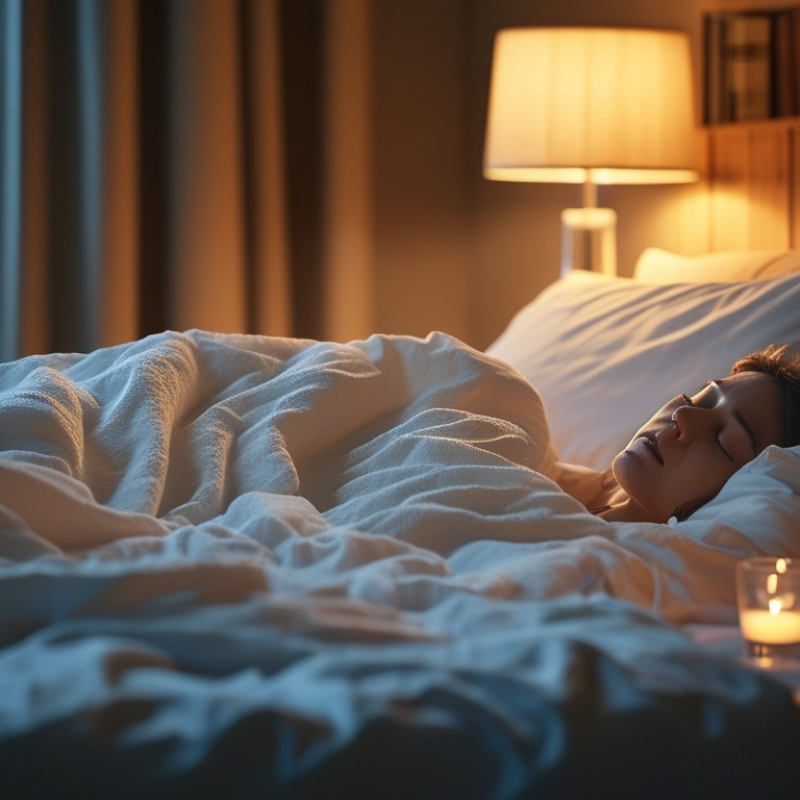
Cortisol is a hormone that helps regulate alertness, blood pressure, metabolism, and the stress response. Its natural rhythm usually peaks shortly after waking and gradually declines during the day. At night, levels should remain relatively low, supporting the body’s transition into sleep. This pattern can shift with stress, illness, irregular schedules, bright evening light, or disrupted sleep.
A calmer evening can support this rhythm. Keep indoor lighting soft during the final two hours before bed, especially near your eyes. Finish vigorous exercise earlier when possible, and avoid caffeine late in the day. A regular sleep and wake time may also help the brain anticipate nighttime. Even a ten-minute walk after dinner can release tension, though it is not a guaranteed cortisol treatment. Small changes matter.
A quiet bedroom helps.
I still underestimate how strongly unfinished work affects my sleep. Writing tomorrow’s tasks on paper may reduce mental replay, but it does not work perfectly every night. Slow breathing, gentle stretching, or a warm shower can create useful signals of safety. Research supports consistent sleep habits, but individual responses vary. Persistent insomnia, unusual fatigue, or symptoms of excessive stress deserve medical evaluation, because cortisol changes can reflect underlying health conditions rather than poor habits alone.
A practical, evidence-informed overview of cortisol’s daily pattern and nighttime habits that may support healthy regulation.
| Topic | Typical Pattern or Target | Natural Nighttime Action | Why It May Help | Evidence Notes |
|---|---|---|---|---|
| Cortisol’s daily rhythm | Usually highest in the early morning and gradually declines during the day, reaching its lowest level around midnight. | Protect a consistent sleep-wake schedule and avoid regularly shifting bedtime. | A stable schedule supports the body’s circadian timing system. | The exact timing varies with sleep schedule, light exposure, stress, illness, and shift work. |
| Sleep duration | Most adults need at least 7 hours of sleep per night; individual needs vary. | Allow enough time for sleep and keep the bedroom cool, dark, and quiet. | Insufficient or disrupted sleep can disturb normal stress-hormone regulation. | Sleep quality matters as much as time in bed. |
| Evening light exposure | Bright light late at night can delay the body’s internal clock. | Use dimmer, warmer lighting in the evening and reduce bright screen exposure before bed. | Lower evening light supports melatonin release and sleep timing, which may indirectly support nighttime cortisol decline. | Light management is especially relevant for people with delayed sleep schedules. |
| Relaxation practice | Stress-related arousal can remain elevated into the evening. | Try 5–15 minutes of slow breathing, progressive muscle relaxation, mindfulness, or gentle stretching. | These practices may reduce perceived stress and physiological arousal before sleep. | Benefits are generally gradual and vary between individuals. |
| Evening exercise | Regular physical activity is associated with better stress regulation and sleep for many people. | Choose moderate activity earlier in the evening; finish vigorous exercise several hours before bedtime if it feels stimulating. | Exercise can improve mood and sleep quality, although intense late exercise may temporarily increase alertness. | The best timing depends on personal response and training intensity. |
| Caffeine timing | Caffeine can remain active for several hours because its average half-life is about 5 hours, with substantial individual variation. | Avoid caffeine in the late afternoon and evening if it affects sleep or causes nighttime alertness. | Better sleep may support a healthier overnight stress response. | Coffee, tea, energy drinks, chocolate, and some medicines may contain caffeine. |
| Alcohol before bed | Alcohol may make some people sleepy initially but can fragment sleep later in the night. | Avoid using alcohol as a sleep aid and limit intake close to bedtime. | More continuous sleep may help maintain normal overnight hormonal rhythms. | Alcohol affects people differently; less is generally associated with fewer sleep disturbances. |
| Late meals | Large or heavy meals close to bedtime may worsen reflux or discomfort and interfere with sleep. | Finish a large meal a few hours before bed; choose a light snack if genuinely hungry. | Reducing discomfort can make it easier to fall asleep and stay asleep. | Meal timing should account for medical conditions, medication, and personal tolerance. |
| Daytime light and activity | Morning light and daytime movement help reinforce the sleep-wake cycle. | Get outdoor light earlier in the day and remain physically active as tolerated. | A stronger circadian signal can support appropriate alertness by day and sleepiness at night. | Regularity over multiple days is more important than a single exposure. |
| When to seek medical advice | Persistent insomnia, severe fatigue, unexplained weight changes, easy bruising, muscle weakness, or prolonged steroid use require assessment. | Discuss ongoing symptoms with a qualified healthcare professional rather than relying on home cortisol tests or supplements alone. | Abnormal cortisol patterns can be related to medical conditions, medications, or sleep disorders. | Cortisol testing should be interpreted using the correct sample type, collection time, and clinical context. |
Cortisol is a hormone that supports alertness, blood pressure, metabolism, and stress responses. It is normal and necessary.
Cortisol often peaks soon after waking. It gradually declines later, staying relatively low at night.
Late caffeine, bright screens, intense work, and vigorous exercise may keep the nervous system active. Results vary.
Yes. Use softer indoor lighting during the final hour or two before bed, especially near your eyes.
Keep regular sleep and wake times. Try slow breathing, gentle stretching, or a warm shower.Small signals help.
Not necessarily. A gentle walk after dinner may release tension, while intense exercise may feel too stimulating late at night.
A heavy meal near bedtime may cause discomfort. Alcohol can cause drowsiness, then fragment sleep later.
Track caffeine, exercise, meals, screens, and morning energy for seven days. Look for patterns, not perfect proof.
Persistent insomnia, unusual fatigue, anxiety, or rapid heartbeat deserves medical evaluation. Stress may not be the only cause.
Usually not. Home interpretations can mislead, and ordinary sleep concerns often need habit review instead.I still underestimate stress sometimes.
Learning how to lower cortisol levels naturally at night begins with understanding that cortisol normally follows a daily rhythm, remaining higher in the morning and gradually declining toward bedtime. Evening stress, intense late-night exercise, excessive caffeine, heavy meals, screen exposure, and irregular sleep schedules may interfere with this pattern. Creating a calm, consistent nighttime routine can help signal to the body that it is time to rest. Dimming lights, reducing stimulating activities, practicing slow breathing, and keeping the bedroom quiet and comfortable may support relaxation.
Nutrition, regular daytime movement, and gentle evening activities can also contribute to healthier cortisol regulation. Balanced meals, adequate hydration, and avoiding large amounts of caffeine late in the day may be helpful. Tracking sleep quality, stress levels, and evening habits can reveal useful patterns over time. If sleep problems, anxiety, or symptoms of prolonged stress continue, consulting a qualified healthcare professional is an important next step.

 Health Line