Why Am I Not Losing Weight While in a Calorie Deficit?

Time:2026-05-09 Author:Aria
0%

Many people find themselves asking, "why can't I lose weight despite being in a calorie deficit?" This question emerges from frustration and confusion. You count every calorie, stick to a diet, and still see minimal results. It feels disheartening, but you're not alone.

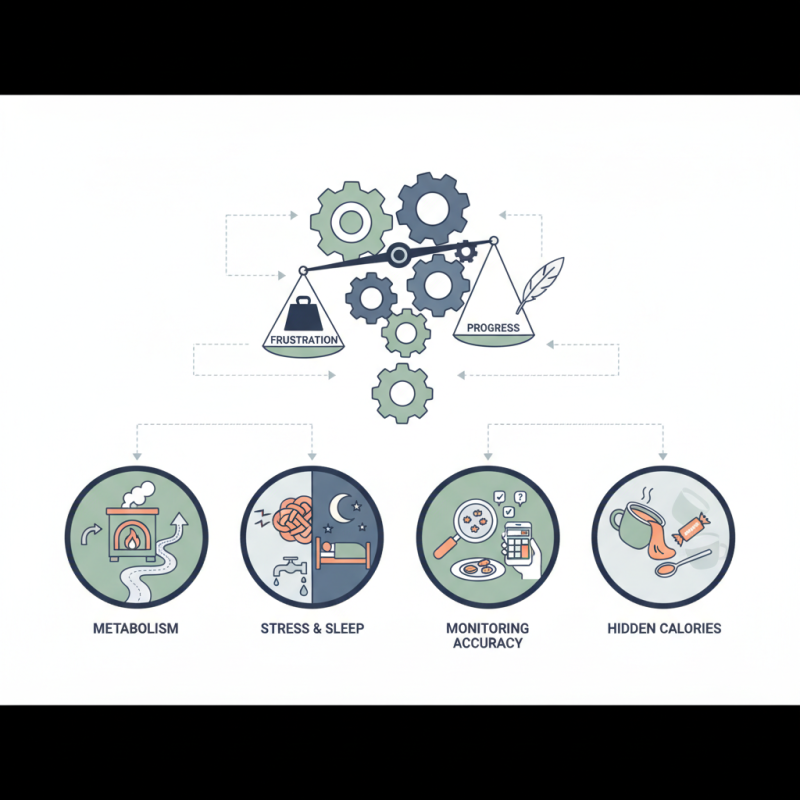
Several factors may impact your weight loss journey. Metabolism plays a crucial role in how your body processes food. Stress and sleep also influence your progress. Stress can lead to hormonal changes that hinder fat loss. Lack of sleep can disrupt metabolic function, making weight loss challenging.

Additionally, monitoring accuracy is vital. Are you logging calories correctly? Small untracked snacks can add up. Reflect on your habits. Are there hidden calories that go unnoticed? Understanding these aspects can shed light on your struggle. Exploring these areas is essential for unlocking successful weight loss.
Why Am I Not Losing Weight While in a Calorie Deficit?

Understanding Caloric Deficit and Weight Loss Fundamentals

Caloric deficit is a fundamental concept in weight loss. It occurs when you consume fewer calories than your body needs. However, this doesn’t always guarantee weight loss. Many factors can influence this process, some of which are often overlooked. For instance, stress can lead to hormonal changes that affect metabolism. Additionally, sleep quality plays a crucial role; inadequate sleep can slow your metabolic rate.

Another factor to consider is body composition. Losing muscle mass can negatively impact your metabolism. If your weight loss plan isn’t preserving muscle, you may not see the results you desire. Eating too few calories can lead to muscle loss. It’s important to find a balanced approach that includes adequate protein intake and strength training.

Sometimes, the body undergoes adaptations during weight loss. Metabolic slowdown can occur, making further weight loss challenging. Tracking your progress accurately is also essential. Are you accounting for all calories? Underestimating intake is common. Consider using a food diary for a clearer picture of your habits. Reflecting on these elements can provide insights to help you break through a plateau.

The Role of Metabolism in Weight Management and Caloric Expenditure

Metabolism plays a crucial role in weight management. It's not just about counting calories. The efficiency of your metabolism affects how many calories you burn. Even when on a calorie deficit, some people struggle to lose weight. This phenomenon can frustrate many, as they expect consistent results from their efforts.

Several factors influence metabolism. Age, gender, and body composition are key players. Muscle mass burns more calories than fat. If you have a lower muscle percentage, you may burn fewer calories at rest. It’s essential to consider these aspects when evaluating weight loss progress. Sometimes, individuals overlook the importance of resistance training.

Another aspect to reflect on is hormonal balance. Stress and sleep can disrupt hormones that regulate hunger and metabolism. When these hormones are out of sync, it can lead to weight loss plateaus. Understanding your body’s signals and making adjustments can enhance your success. Progress is not always linear, and temporary setbacks can provide valuable insights for future efforts.

Impact of Water Retention and Hormonal Fluctuations on Weight Loss

Water retention plays a significant role in weight management. The human body can retain water for various reasons, including high sodium intake and hormonal changes. Research indicates that fluctuations in water weight can make it seem like you are not losing fat, even when in a calorie deficit. On average, people can retain 5 to 10 pounds of water at any given time.

Hormonal fluctuations, particularly in women, can significantly affect weight loss. The menstrual cycle can alter water retention levels. Studies show that estrogen and progesterone influence the body's ability to retain fluids. These hormonal shifts can lead to weight variations that might mask true fat loss. During the premenstrual phase, women may retain more water, increasing their weight temporarily.

Moreover, stress plays a key role in hormonal imbalance. Elevated cortisol levels, often due to stress, can lead to increased appetite and cravings. This response can hinder weight loss efforts. Understanding these factors is crucial for anyone on a weight loss journey. It's essential to recognize that short-term weight fluctuations do not always equate to progress or lack thereof in fat loss.

Analyzing Dietary Quality: Why Not All Calories Are Created Equal

Understanding why you may not lose weight while in a calorie deficit hinges on dietary quality. Not all calories are equal. For instance, a diet rich in processed foods can lead to weight gain, even if you consume fewer calories. These foods often lack essential nutrients and fiber, which are crucial for overall health and satiety.

Many people underestimate the impact of food quality on weight loss. Nutrient-dense foods, such as fruits, vegetables, whole grains, and lean proteins, provide the body with what it needs to function optimally. While counting calories is useful, the types of calories consumed matter significantly. Overly processed foods can increase cravings and hinder metabolic efficiency.

Tips: Incorporate more whole foods into your meals. Aim for vibrant colors on your plate, representing various nutrients. Pay attention to how different foods make you feel after eating. Reflexively reaching for snacks when bored or stressed can sabotage your progress. Be mindful of your eating environment, as distractions can lead to overeating and poor choices.

The Psychological Factors That Affect Weight Loss Progress and Motivation

Many people struggle with weight loss despite being in a calorie deficit. Often, psychological factors play a significant role in this challenge. Stress, for instance, can lead to emotional eating. If you're stressed, your body may crave comfort food, which can sabotage your progress.

Focus on your mindset. Reflect on your motivations for losing weight. Are they intrinsic or extrinsic? Understanding your “why” can lead to sustainable changes. It's not just about numbers; it's about how you feel. Recognizing this can improve your commitment to your goals.

Tips for healthier habits:
Practice mindfulness to combat stress. Simple breathing exercises can keep you centered.
Establish realistic goals. Aim for small, achievable targets. Celebrate these wins.
Track your emotions along with your food intake. This can expose patterns and help you make adjustments.

Embrace the journey, including the bumps along the way. Each setback is a chance to learn more about yourself. Weight loss isn't just physical; it’s psychological too.

Weight Loss Progress Factors

This chart illustrates various psychological factors that can influence weight loss progress while on a calorie deficit. Each factor is rated on a scale of 0 to 100 based on its perceived impact on an individual's ability to lose weight effectively.

FAQS

: What is metabolism's role in weight management?

: Metabolism affects how many calories you burn. It's essential for weight management.

Why do some people struggle to lose weight on a calorie deficit?

Factors like age, gender, and muscle mass can hinder weight loss, even with fewer calories.

How does muscle mass impact calorie burning?

More muscle mass means burning more calories at rest. Lower muscle percentage can result in fewer calories burned.

What is the importance of dietary quality in weight loss?

Not all calories are equal. Processed foods can lead to weight gain despite being low in calories.

How can stress affect weight loss?

Stress may cause emotional eating, leading to comfort food cravings that can disrupt progress.

What mindset changes can support weight loss efforts?

Understanding your intrinsic motivations can foster sustainable changes. Reflecting on your "why" is important.

Why should I track my emotions when losing weight?

Tracking emotions alongside food intake can reveal patterns. This awareness helps in making adjustments.

What are some tips to improve dietary habits?

Incorporate more whole foods. Focus on colorful plates for balanced nutrition.

How can I stay motivated during setbacks?

Embrace the journey and learn from setbacks. Set realistic goals and celebrate small achievements.

What role does mindfulness play in weight loss?

Mindfulness practices, like breathing exercises, can help manage stress and support healthier habits.

Conclusion

Losing weight while maintaining a calorie deficit can be perplexing for many, leading to the question: "why can't I lose weight despite being in a calorie deficit?" This article delves into the fundamentals of caloric deficit and weight loss, emphasizing that simply consuming fewer calories does not guarantee weight loss success. Factors such as metabolism play a crucial role, as individual metabolic rates can vary significantly, affecting overall caloric expenditure.

Additionally, the impact of water retention and hormonal fluctuations can temporarily mask weight loss progress, making it seem like efforts are in vain. The quality of the diet is equally important; not all calories are equivalent, and nutrient-dense foods can enhance weight loss efforts more effectively than empty-calorie options. Lastly, psychological factors, including motivation and emotional well-being, can significantly influence an individual’s weight loss journey. Understanding these elements is essential for successful and sustainable weight management.

Aria

Aria

Aria is a dedicated marketing professional with a deep passion for innovative strategies and a keen understanding of our company's product offerings. With a wealth of experience in the industry, Aria excels at crafting engaging content that highlights the unique features and benefits of our......