In today's digital age, many people spend excessive hours on devices at night. This exposure to blue light can adversely affect our skin. Knowing how to protect skin from blue light damage at night is crucial for maintaining healthy, youthful skin.
Experts suggest that blue light can disrupt sleep patterns. This disruption may lead to increased skin aging and stress. It’s essential to understand the impact of blue light and incorporate protective measures. Simple adjustments can make a significant difference. Applying specific skincare products before bed can help shield skin from this damage.
Consider using serums with antioxidants. These can combat the effects of blue light exposure. Additionally, adopting a nighttime routine that minimizes screen time is vital. Limiting device usage before sleep not only improves rest but also benefits skin health. Reflecting on your nightly habits will help you protect your skin more effectively.
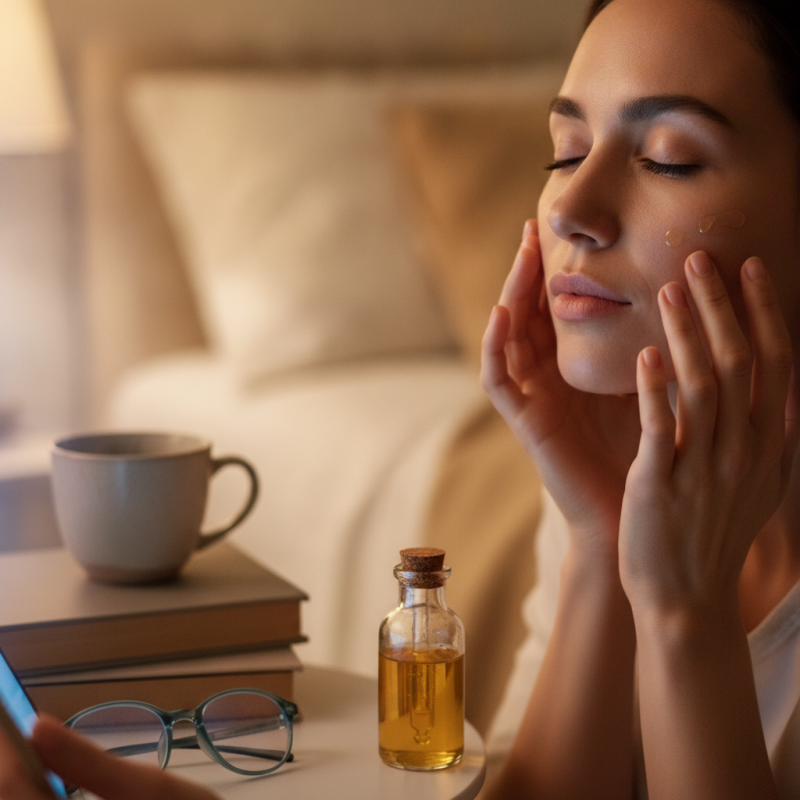
The effects of blue light on skin health are gaining attention. Research indicates that exposure to blue light can accelerate skin aging. A study published in the Journal of Investigative Dermatology shows that blue light can induce oxidative stress in skin cells. This stress leads to collagen breakdown, resulting in wrinkles and sagging. While the sun emits blue light, artificial sources, like screens, also contribute to this exposure.
Nighttime screen usage is particularly concerning. Many people spend hours on their devices before bed. This prolonged exposure can disrupt skin repair processes during sleep. According to the American Academy of Dermatology, disrupted sleep affects skin barrier function, making it more susceptible to environmental damage. Additionally, insufficient sleep can lead to increased inflammation and a dull complexion.
Protecting skin from blue light damage requires proactive measures. Using blue light filters on devices helps reduce exposure. Incorporating antioxidants in skincare is also beneficial, as they can neutralize oxidative stress. Products containing vitamin C and E may assist in combating this damage. Overall, being aware of blue light's effects and taking steps to mitigate them is crucial for maintaining healthy skin.
: Blue light can accelerate skin aging and induce oxidative stress in skin cells, causing collagen breakdown.
Excessive screen time, especially at night, can disrupt skin repair processes and lead to dullness.
Common sources include smartphones, tablets, laptops, TVs, and even certain LED lights in homes.
Consider using blue light filters on devices and incorporate antioxidants in skincare routines.
Yes, stopping device use at least an hour before sleep can significantly benefit skin health.
Establishing a calming nighttime routine and improving sleep quality are vital for skin repair.
Not all filters block blue light equally. Some may affect color accuracy or are ineffective.
Use blackout curtains and maintain a cool, comfortable bedroom to enhance sleep and skin recovery.
Increased sensitivity or a dull complexion can suggest that blue light exposure is impacting your skin.
Reflecting on your habits can help you make informed choices and implement positive changes over time.
As we explore how to protect skin from blue light damage at night, it is essential to understand what blue light is and its potential effects on skin health. Blue light, predominantly emitted by electronic devices, can lead to premature aging and other skin issues. Identifying the sources of blue light exposure during nighttime—such as smartphones, tablets, and computers—can help in minimizing its impact.
To effectively reduce blue light exposure before sleep, consider implementing specific steps like setting screen time limits and using blue light filters. Additionally, effective skincare products that contain antioxidants and other protective ingredients can combat the adverse effects of blue light. Adopting lifestyle changes, such as creating a nighttime skincare routine and maintaining a technology-free wind-down period, also promotes healthier skin at night. By taking these measures, individuals can significantly mitigate the risks associated with blue light exposure and enhance their skin's resilience.

 Health Line