Top 10 Ways to Protect Skin from Blue Light Damage at Night?

Time:2026-11-05 Author:Mason
0%

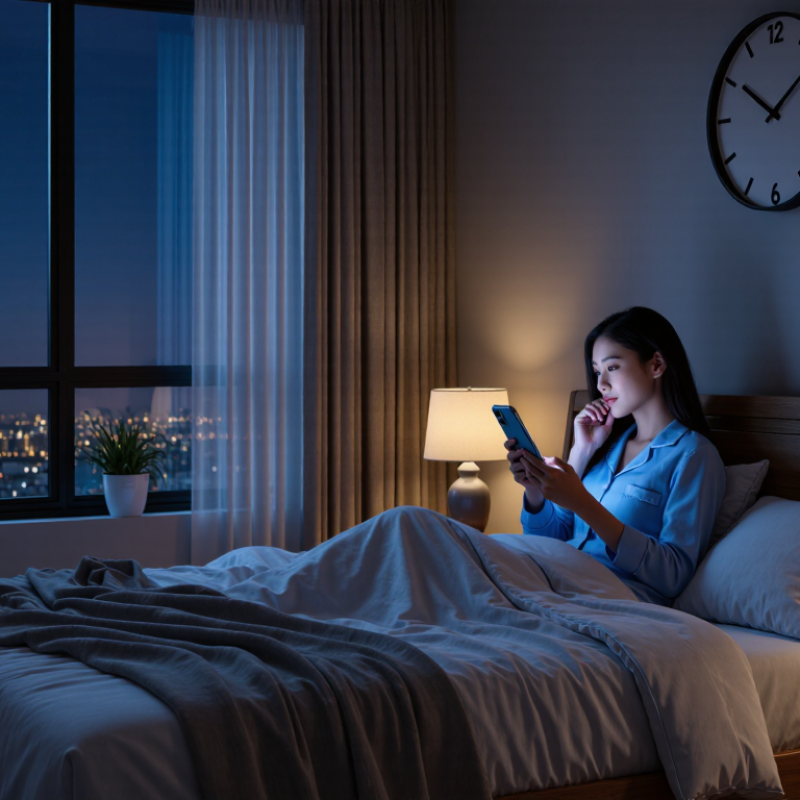
At night, a bright phone can feel close enough to light your face as you scroll in bed. That glow has prompted questions about pigmentation, skin aging, and whether evening screen habits need a skincare response. The science deserves a measured look: sunlight is a much stronger source of blue light than ordinary screens, and evidence about meaningful skin harm from device exposure remains limited.

Board-certified dermatologist Dr. Joshua Zeichner has noted, “Blue light has been shown to contribute to skin aging, but the amount of blue light emitted from our devices is much less than the amount emitted from the sun.” That distinction matters. It helps keep skincare claims in proportion and reminds us that proven basics, including daily sun protection, should not be pushed aside for a screen-focused routine.

This guide explores how to protect skin from blue light damage at night without treating every device as a serious threat. The ten practical steps include dimming screens, using night settings, keeping a little distance from the display, and maintaining a gentle, consistent skincare routine. Ingredients such as antioxidants may support skin, but they are not magic shields. Small habits can help. Still, the evidence is not perfectly settled, and some popular advice sounds more certain than research allows. A realistic routine should protect comfort and sleep, too—not just promise flawless skin.
Top 10 Ways to Protect Skin from Blue Light Damage at Night?

Understanding Nighttime Blue-Light Exposure and Its Effects on Skin

At night, blue light reaches skin from phones, tablets, and room lighting. Its effects depend on wavelength, intensity, distance, and exposure time. Blue light can influence skin pigmentation, but evidence from laboratory exposures does not prove that ordinary screen use damages skin.

A 2010 study in the Journal of Investigative Dermatology exposed darker skin types to 415-nanometer visible light. Researchers observed lasting pigmentation after a controlled dose of 40 joules per square centimeter. That is a laboratory result, not a direct measure of nightly phone use. Screen brightness and viewing distance vary, so the actual dose reaching facial skin is difficult to generalize. The evidence is not settled.

Nighttime light has clearer implications for sleep than for skin. A 2015 PNAS study followed 12 adults using light-emitting e-readers before bed for five evenings. It reported suppressed melatonin and later sleep timing. Poor sleep may affect how skin looks, but that does not establish blue light as the cause of skin aging. Keep screens dim and farther from your face if it feels comfortable. I would not treat every late-night scroll as skin injury.

Reducing Evening Screen Use and Device Brightness

At night, reducing screen time is a practical first step, though it cannot guarantee protection from skin damage. Evidence that ordinary device light causes meaningful skin harm remains limited; sunlight is a much stronger source of blue light. Still, late scrolling often keeps people near bright screens longer than planned. Ofcom’s 2024 Online Nation report estimated that UK adults spent an average of four hours and 20 minutes online daily in 2023, eight minutes more than in 2022. That figure covers all online use, not just evenings, but it shows how easily screen time accumulates.

Set a gentle stopping point 30 to 60 minutes before bed, then charge your phone across the room. A paper book or quiet audio can replace the bright rectangle beside your pillow. If you need a screen, lower brightness until the display feels comfortable in a dim room, enable night mode, and avoid holding it close to your face. Night mode changes color temperature; it does not prove that skin is shielded. Small adjustments help. Perfect routines are harder. It is easy to lower brightness and then keep scrolling, so use a timer or put the device out of reach. These habits may reduce unnecessary evening exposure, but they should not replace established sun protection during the day.

Top 10 Ways to Protect Skin from Blue Light Damage at Night? — Reducing Evening Screen Use and Device Brightness

Approximate wavelength ranges of visible light (nanometers)

Blue light is part of the visible spectrum, roughly 400–500 nm. This chart shows wavelength ranges—not the amount of blue light emitted by screens or a measure of skin risk. Evidence that everyday screen exposure damages skin is limited; reducing evening screen time and dimming screens may help support healthy sleep habits, but should not be presented as proven skin protection.

Setting Up Low-Blue-Light Devices and Room Lighting

At night, change the room before changing your skincare routine. Set screens to a warm display mode, lower brightness, and keep the device roughly an arm’s length away. Use a shaded, warm-colored lamp aimed at a wall rather than a bright ceiling light. This reduces glare and makes the screen less dominant. Keep the room comfortable enough to read without turning every light off; an overly dark room can make a bright screen feel harsher. Small adjustment, real difference.

Evidence about screen light directly damaging skin remains limited, so lighting changes should not be presented as a proven skin treatment. They can, however, support a calmer evening environment. Harvard Health summarizes research showing blue light can suppress melatonin about twice as long as comparable green light. A PNAS study found that using an illuminated e-reader for four hours before bedtime over five evenings delayed circadian timing and reduced melatonin. Those findings concern sleep, not skin. Still, they support dimming devices and room lights at night. I sometimes forget the lamp. A dimmer switch or scheduled night mode can help, though neither replaces sensible skin care or daylight protection.

Supporting the Skin Barrier with a Nighttime Skincare Routine

Blue light is not a nightly skin emergency. Evidence deserves context. A controlled 2010 study in the Journal of Investigative Dermatology found that visible light caused longer-lasting pigmentation in Fitzpatrick skin types IV–VI, while types I–III showed little response. This was controlled light exposure, not ordinary phone use, so it does not prove that evening screens damage everyone’s skin. The finding supports sensible care, not panic.

At night, cleanse with lukewarm water and a mild, fragrance-free cleanser; rubbing hard can leave skin feeling tight. Pat dry, then apply moisturizer while skin is slightly damp. The American Academy of Dermatology recommends moisturizing within five minutes of bathing to help limit water loss. Look for simple formulas with ingredients such as glycerin or ceramides, especially if your skin feels dry. Keep the room dim and avoid layering several new products at once. Small changes count. If a routine stings or makes redness worse, pause and simplify; even a careful routine can miss what your skin needs. Screen filters may ease eye strain, but they are not a substitute for a comfortable, consistent skincare routine.

Choosing Protective Products and Assessing the Evidence

Choosing a night-time product starts with the evidence, not a dramatic “blue-light shield” claim. A 2010 clinical study in the Journal of Investigative Dermatology found that short-wavelength visible light could trigger persistent pigmentation, particularly in darker skin types. That matters for people prone to dark marks. But the study used controlled light exposures, not an ordinary phone beside a pillow. The difference is important.

Look for tinted sunscreens containing iron oxides if visible-light pigmentation is a concern; they may offer coverage beyond UV filters, though protection varies by formula. A broad-spectrum SPF label alone does not confirm visible-light protection. At night, a gentle moisturizer may support the skin barrier, but evidence that special creams prevent screen-related skin damage remains limited. Be skeptical of products promising complete protection. Nothing is complete.

The exposure context also matters. The International Commission on Non-Ionizing Radiation Protection’s 2020 guidance assesses blue-light exposure by intensity and duration, not simply screen use. Research on skin is still evolving, and findings from high-dose laboratory exposure cannot be directly translated into everyday device use. A practical routine is modest: reduce screen brightness, keep devices farther from your face, and use established sun protection during daylight. It is easy to overfocus on screens while overlooking the stronger, better-established exposure outdoors.

Top 10 Ways to Protect Skin from Blue Light Damage at Night? - Choosing Protective Products and Assessing the Evidence

# Practical step How to do it at night Evidence assessment Product-selection guidance
1 Lower screen brightness Use the lowest brightness that remains comfortable, especially in a dark room. Limited for skin protection. Lower brightness reduces screen light output, but meaningful prevention of skin damage from typical screen use has not been established. No special skincare product is needed for this step.
2 Enable a warm-colour or night-display setting Use the device’s built-in warm-colour setting in the evening if it improves comfort or supports your bedtime routine. Limited for skin protection. These settings reduce some short-wavelength visible light, but there is no strong clinical evidence that they prevent screen-related skin damage. Built-in settings are sufficient; paid “blue-light protection” apps are not proven skin treatments.
3 Increase the distance from the screen Keep phones and tablets at a comfortable reading distance rather than holding them close to the face. Limited direct evidence. Light exposure generally decreases with distance, but a skin benefit from this change has not been demonstrated in everyday device use. No topical product can be assumed to compensate for close, prolonged exposure.
4 Take breaks and reduce unnecessary screen time Use short breaks during prolonged evening sessions and avoid keeping a bright screen close to the face for extended periods. Limited for skin protection. Reducing exposure is a reasonable precaution, but the amount of screen light needed to affect human skin is not clearly established. Do not rely on products marketed as “screen shields” as a substitute for reducing exposure.
5 Use soft ambient room lighting Turn on comfortable room lighting instead of viewing a bright screen in a completely dark room; keep the screen brightness modest. Limited for skin protection. This can improve visual comfort, but a specific reduction in skin effects has not been confirmed. This is a lighting adjustment, not a skincare treatment.
6 Choose skincare for established skin needs Use a gentle cleanser and a moisturizer suited to your skin if your usual evening routine leaves it dry or irritated. Established for barrier care; not blue-light blocking. Moisturizers can support the skin barrier, but they have not been shown to shield skin from device light. Prefer well-tolerated, fragrance-free options if you are sensitive. Avoid products claiming guaranteed protection without reliable clinical evidence.
7 Treat antioxidant products as optional, not proven shields If you already use a topical antioxidant and tolerate it, follow its directions; do not add multiple actives solely because of screen exposure. Limited and product-dependent. Laboratory findings do not establish that an antioxidant serum prevents skin damage from ordinary nighttime screen use. Check the ingredient list and irritation risk. “Blue-light defense” wording alone does not prove clinical effectiveness.
8 Do not apply sunscreen at night just for screen light For ordinary indoor screen use after dark, sunscreen is generally unnecessary unless another source of ultraviolet exposure or a clinician’s advice applies. Evidence supports sunscreen for UV exposure, not routine nighttime screens. Standard sunscreens are primarily designed to protect against ultraviolet radiation. Choose sunscreen according to daytime UV exposure and individual medical advice—not simply because a product claims “blue-light protection.”
9 Know when tinted iron-oxide products may matter Consider a tinted product with iron oxides for relevant daytime visible-light exposure, particularly if advised for pigmentation concerns. It is not usually needed solely for screens at night. Moderate for specific visible-light pigmentation contexts; indirect for screens. Research supports visible-light protection in some pigmentation conditions, but this does not demonstrate a need for nighttime screen protection. Look for iron oxides in the ingredient list; a tint or “mineral” label alone does not confirm visible-light protection.
10 Be cautious with “blue-light blocking” skincare claims Before buying a product, look for human clinical studies on the finished formula and a clearly described outcome—not only laboratory or marketing claims. Strong reason for caution. Evidence that typical nighttime screen exposure causes clinically meaningful skin damage, or that topical products prevent it, remains insufficient. Prioritize proven uses, ingredient transparency, tolerability, and independent clinical evidence. No product can currently be assumed to provide complete protection.

Evidence context: Visible light from sunlight can affect pigmentation in some people, and tinted formulations containing iron oxides may offer visible-light protection in certain settings. That evidence should not be directly equated with the much more limited evidence on typical nighttime screen exposure. “Evidence assessment” refers to support for the stated skin-protection claim, not to the general usefulness of the habit or product.

FAQS

Can nighttime screen light damage facial skin?

Ordinary screen use has not been shown to cause meaningful skin damage. The evidence remains limited.

What did laboratory research find about blue light and pigmentation?

One controlled study found lasting pigmentation after strong, measured exposure. That result does not directly describe a phone beside your bed.

Does screen distance affect exposure?

Yes. Brightness, distance, wavelength, and exposure time all matter. A screen held close may deliver more light to your face.

Is nighttime light linked to sleep changes?

Research with adults using illuminated e-readers before bed found reduced melatonin and later sleep timing. Sleep effects are clearer than skin effects.

Can poor sleep prove that screens age skin?

No. Poor sleep may affect how skin looks, but it does not prove screens cause skin aging.

What simple changes can reduce evening screen exposure?

Lower brightness in a dim room, use night mode, and hold the device farther away. A timer can help.

Does night mode protect skin?

Night mode changes the screen’s color temperature. It does not prove that skin is shielded.

What can replace scrolling before bed?

Try a paper book or quiet audio. Charging your phone across the room may also help. Not a guarantee.

Should screen habits replace daytime sun protection?

No. Sunlight is a much stronger source of blue light. Keep established daytime sun protection in your routine.

Is it realistic to stop using screens every night?

Not always. Lowering brightness is easy; putting the phone down can be harder. Small steps help.

Conclusion

Nighttime screen use can expose skin to blue light, though its effects are generally less established than those of sunlight and may vary with exposure. A practical approach to how to protect skin from blue light damage at night is to reduce unnecessary screen time before bed, lower device brightness, and use built-in warm-color or night settings. In the room, choose softer, warmer lighting and avoid placing bright screens close to the face when possible.

A gentle nighttime skincare routine can support the skin barrier: cleanse without over-stripping, moisturize, and avoid adding irritating products unnecessarily. Some skincare products are marketed for blue-light protection, but evidence for their benefits is still developing, so assess claims carefully and prioritize proven, comfortable basics. These everyday steps can limit exposure and support skin health without treating blue light as the only factor affecting the skin.

Mason

Mason

Mason is a seasoned marketing professional with a deep expertise in the company's offerings and a passion for driving brand awareness. With a strong background in digital marketing strategies, he has an innate ability to connect with diverse audiences and effectively communicate product benefits.......