10 Reasons Why Is My Hair Thinning All of a Sudden?

Time:2026-04-29 Author:Mason
0%

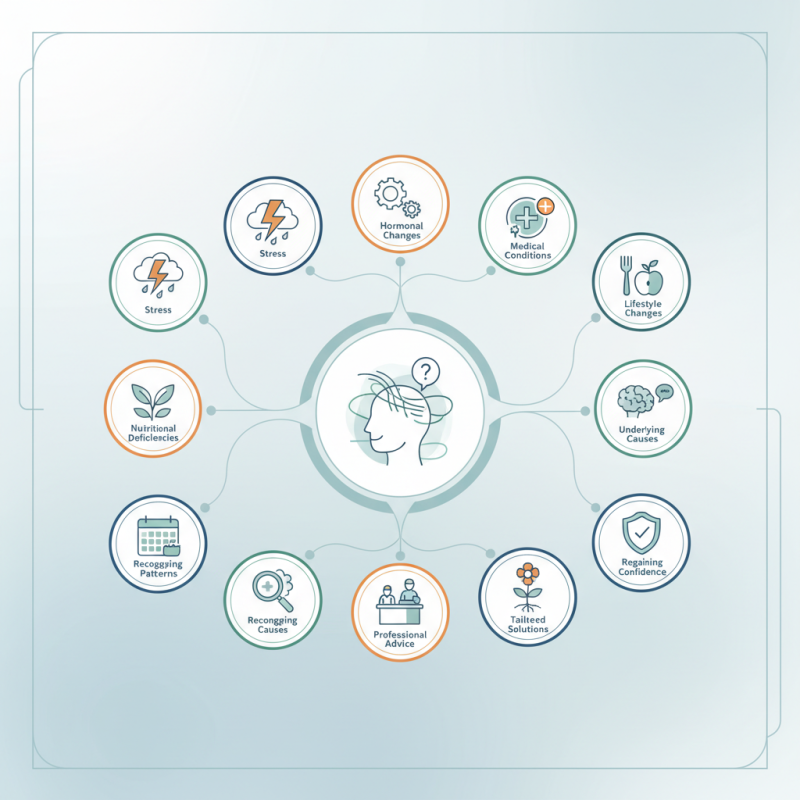
Experiencing sudden hair thinning can be alarming. Many individuals often ask, "why is my hair thinning all of a sudden?" It's crucial to understand that various factors contribute to this issue. Stress, hormonal changes, and medical conditions can all play a role.

Each person's experience is unique and can stem from multiple underlying causes. For instance, lifestyle changes or nutritional deficiencies might be at fault. It's common to overlook the stressors in our lives that impact our overall health, including hair growth. Recognizing patterns can be vital in identifying triggers.

If you find yourself concerned about your hair loss, don't hesitate to seek professional advice. Experts in dermatology can provide insights tailored to your situation. Their knowledge and experience can assist in determining the reasons for your thinning hair and suggest appropriate remedies. Ignoring the signs can lead to prolonged frustration and uncertainty. Understanding the "why" behind the thinning can be the first step toward regaining confidence in your hair’s health.
10 Reasons Why Is My Hair Thinning All of a Sudden?

Possible Causes of Sudden Hair Thinning

Sudden hair thinning can be alarming. According to the American Academy of Dermatology, about 50 million men and 30 million women experience hair loss. Various factors can contribute to this distressing issue. Stress, for example, can lead to temporary hair loss conditions like telogen effluvium. A significant life change, illness, or even emotional hardships can trigger this response.

Hormonal changes also play a crucial role. Conditions such as thyroid disorders or polycystic ovary syndrome (PCOS) can disrupt hair growth. Studies suggest that nearly 30% of women with PCOS experience thinning hair. Nutritional deficiencies, particularly iron and vitamin D deficiency, can weaken hair follicles. Malnutrition can lead to noticeable thinning after a few months.

**Tip:** To support hair health, maintain a balanced diet rich in vitamins and minerals.

Additionally, medical treatments or medications may cause hair thinning as a side effect. It is essential to consult with a healthcare professional to rule out underlying conditions. Temporary hair loss can often be reversed, but it may require patience and attention.

**Tip:** Incorporate stress-reducing activities into your daily routine, like yoga or meditation.

Hormonal Changes and Their Impact on Hair Health

Hormonal changes can significantly impact hair health. Conditions such as pregnancy, menopause, and thyroid disorders can lead to sudden hair thinning. Research indicates that about 30% of women experience hair loss during menopause due to estrogen fluctuations. This natural decline in hormones can trigger hair follicle miniaturization, leading to finer, weaker strands.

Additionally, stress-related hormonal shifts can exacerbate hair thinning. The body releases cortisol in response to stress, which can disrupt the hair growth cycle. A study from the Journal of Clinical Endocrinology revealed that excessive cortisol may induce telogen effluvium—a condition where hair prematurely enters the shedding phase. This condition can result in noticeable thinning within months.

Diet also plays a crucial role in hair health. Changes in hormone levels can lead to nutritional deficiencies. For instance, low iron or vitamin D levels can worsen hair loss, as these nutrients are vital for maintaining strong follicles. Addressing these hormonal and nutritional factors is essential for promoting healthier hair growth.

Nutritional Deficiencies Linked to Hair Loss

Sudden hair thinning can be alarming. One critical factor that contributes to this issue is nutritional deficiencies. When the body lacks essential vitamins and minerals, hair health can suffer significantly. For instance, vitamin D plays a crucial role in hair follicle cycling. Low levels may lead to hair loss and thinning.

Iron deficiency is another common problem. It is vital for producing hemoglobin, which carries oxygen to the hair follicles. Without adequate iron, hair may not receive the nutrients it needs to stay healthy. Zinc deficiency also affects hair health adversely. It helps maintain the structural integrity of hair and supports the growth cycle.

Addressing these deficiencies can lead to positive changes. Eating a balanced diet rich in vitamins and minerals is essential. Foods like leafy greens, nuts, and seeds can help restore missing nutrients. However, it’s essential to reflect on individual dietary habits. Sometimes, even small dietary changes can improve hair health. Regular check-ups can help identify deficiencies before they lead to significant issues.

10 Reasons Why Is My Hair Thinning All of a Sudden? - Nutritional Deficiencies Linked to Hair Loss

Nutritional Deficiency Symptoms Potential Impact on Hair Recommended Sources
Iron Fatigue, weakness Hair shedding, thinning Red meat, spinach, lentils
Vitamin D Bone pain, muscle weakness Loss of hair follicles Sunlight, fortified foods
Zinc Impaired immune function Dry, thinning hair Meat, shellfish, legumes
Biotin Brittle nails, dry skin Hair loss Egg yolks, nuts, seeds
Vitamin B12 Pale skin, heart palpitations Thinning hair Meat, dairy products
Folic Acid Fatigue, shortness of breath Alopecia Leafy greens, nuts, beans
Vitamin A Dry eyes, night blindness Hair fragility Carrots, sweet potatoes
Vitamin E Impaired cognitive function Thinning hair Nuts, seeds, green leafy vegetables
Protein Muscle weakness, low energy Hair loss Meat, fish, eggs, legumes

Stress and Its Effects on Hair Growth

Stress can have a significant impact on hair growth. Many people experience sudden hair thinning during high-pressure situations. The body reacts to stress in various ways. Hormonal changes can disrupt the hair growth cycle. This disruption may lead to conditions like telogen effluvium, where hair falls out more easily.

Emotional stress affects our overall health. When we feel anxious or overwhelmed, the body releases cortisol. This hormone can hinder hair production. It's not just emotional stress; physical stress from illness or trauma has similar effects. Hair follicles may enter a resting phase, which leads to noticeable thinning.

Being mindful of stress levels is crucial. Engage in relaxation techniques such as meditation or yoga. Maintaining a balanced diet and getting adequate sleep can also help. However, it is essential to reflect on individual stressors and how they affect our lives. Stress management is an ongoing process. Recognizing its impact on hair can prompt positive changes.

Medical Conditions That May Cause Hair Thinning

Sudden hair thinning can be alarming. Understanding potential medical conditions might help. Several factors contribute to hair loss, including stress, hormonal changes, and nutritional deficiencies. Conditions like alopecia areata can cause patchy hair loss. Thyroid imbalances may also trigger thinning hair. Diabetes and autoimmune disorders can further exacerbate these issues.

Tips: Regularly check in with a healthcare provider. They can assess your symptoms and determine underlying conditions. Ensure you maintain a balanced diet rich in vitamins and minerals. Including iron and zinc may improve hair health.

Another key factor is hormonal changes. Women may experience thinning hair due to pregnancy or menopause. Men might face genetic conditions like male-pattern baldness. Keeping track of changes in your body can lead to timely interventions. Lifestyle factors, such as excessive styling or poor scalp hygiene, might also play a role.

Tips: Examine your hair care routine. Consider using gentler products and techniques. Avoid tight hairstyles that pull on hair strands. Prioritize comfort and nourishment for your scalp. Taking these steps can help mitigate hair thinning issues.

FAQS

: What causes sudden hair thinning?

: Sudden hair thinning can be triggered by stress, hormonal changes, and nutritional deficiencies.

How does stress affect hair growth?

Stress can disrupt the hair growth cycle, possibly leading to conditions like telogen effluvium.

What role do hormones play in hair thinning?

Hormonal changes from conditions like thyroid disorders or pregnancy can lead to thinning hair.

Can nutrition impact hair health?

Yes, deficiencies in iron and vitamin D can weaken hair follicles, leading to noticeable thinning.

What should I do if I experience sudden hair loss?

Consult a healthcare professional to rule out underlying medical conditions affecting hair growth.

How can I manage stress to support hair health?

Engage in relaxation techniques, like yoga or meditation, and maintain a balanced diet.

Are there any lifestyle factors that contribute to hair thinning?

Excessive styling, poor scalp hygiene, and tight hairstyles can all contribute to hair thinning.

Is hair thinning always permanent?

Temporary hair loss can often be reversed with patience and attention to health and stress management.

How often should I check my hair health?

Regularly assess changes in your hair and consult a healthcare provider about any concerns.

Can emotional hardships lead to hair loss?

Yes, emotional stress releases cortisol, which may hinder hair production and lead to thinning hair.

Conclusion

Sudden hair thinning can be alarming, leaving many to wonder, "why is my hair thinning all of a sudden?" Several potential causes can contribute to this issue. Hormonal changes, such as those occurring during pregnancy, menopause, or health conditions like polycystic ovary syndrome (PCOS), can significantly affect hair health. Nutritional deficiencies, particularly in essential vitamins and minerals, may also lead to weakened hair strands.

Moreover, stress is a critical factor that can disrupt the natural hair growth cycle, often resulting in noticeable hair loss. Various medical conditions, including thyroid disorders and autoimmune diseases, can further exacerbate hair thinning. Understanding these factors is vital for addressing the underlying issues and seeking appropriate remedies to promote healthy hair growth.

Mason

Mason

Mason is a seasoned marketing professional with a deep expertise in the company's offerings and a passion for driving brand awareness. With a strong background in digital marketing strategies, he has an innate ability to connect with diverse audiences and effectively communicate product benefits.......