Why Am I Still Tired After Sleeping 8 Hours?

Time:2026-03-20 Author:Isabella
0%

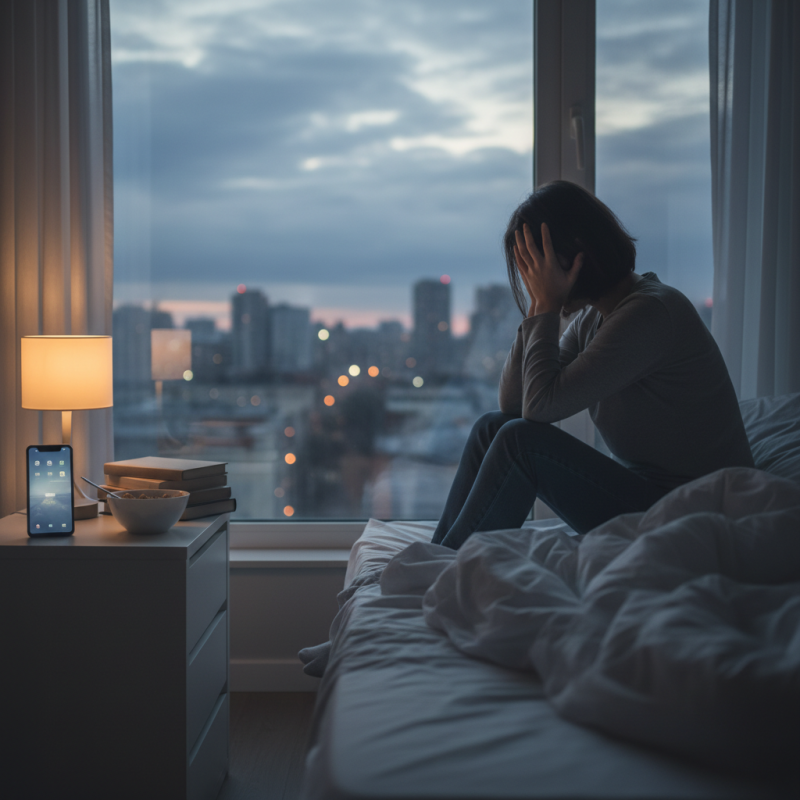
Have you ever wondered, "why do I feel tired even after 8 hours of sleep"? It's a common dilemma. Many people struggle with fatigue despite getting a full night’s rest. Despite sleeping enough, your body still craves rest.

This leaves us questioning our sleep quality and daily habits. External factors can disrupt peaceful sleep, such as stress and noisy environments. These issues lead to waking up feeling groggy. The mind can race, preventing deep, restorative sleep.

Moreover, poor sleep hygiene plays a role. Bright screens before bed can trick your brain. Nutrition also matters; an imbalanced diet might lead to feelings of exhaustion. Reflecting on these factors is crucial for understanding persistent fatigue. Your sleep journey might need adjustments for better energy levels.
Why Am I Still Tired After Sleeping 8 Hours?

Understanding Sleep Stages: The Importance of REM and Deep Sleep

Sleep is essential for our well-being, yet many still feel tired after a full eight hours. This often comes down to the quality of our sleep rather than just the quantity. Understanding sleep stages is crucial. Sleep consists of various cycles, including REM (Rapid Eye Movement) sleep and deep sleep, both of which play distinctive roles in our rest.

Deep sleep is vital for physical restoration. It helps repair muscles and boosts the immune system. Without enough deep sleep, you may wake up feeling exhausted. REM sleep, on the other hand, is essential for emotional regulation and memory consolidation. This stage stimulates brain activity, making it critical for mental health. If you skip these stages, waking up rejuvenated becomes nearly impossible.

Many factors disrupt deep and REM sleep. Stress, irregular sleep schedules, and uncomfortable sleeping environments can all play a role. For those who find waking up a struggle, examining sleep hygiene may be necessary. Small changes, like adjusting light levels or establishing a bedtime routine, can help. It’s about creating an environment conducive to deep, restorative sleep. Reflecting on these elements can lead to a clearer understanding of your sleep quality.

Common Sleep Disorders: How They Affect Restorative Sleep

Many people sleep for eight hours yet still feel tired. This can be frustrating. The reason often lies in undiagnosed sleep disorders. Sleep apnea is one of the most common issues. People with sleep apnea stop breathing during the night. This leads to fragmented sleep. As a result, they often wake up feeling exhausted.

Another culprit could be insomnia. This disorder makes it hard to fall asleep or stay asleep. Even if one manages to sleep, the quality may be poor. Constant worry or stress often fuels insomnia. It’s important to recognize these patterns in your life. Reflecting on your sleep habits can lead to better understanding.

Tips: Keep a sleep journal. Write down how you felt upon waking up. Note any nighttime disruptions. Also, establish a bedtime routine. Try to stick to a consistent sleep schedule. This can help signal to your body that it's time to rest. Lastly, limit screen time before bed; it often disrupts your natural sleep cycle.

Impact of Stress and Anxiety on Sleep Quality and Duration

Stress and anxiety significantly impact sleep quality and duration. Many individuals sleep for eight hours but still wake up feeling exhausted. A survey by the American Psychological Association found that nearly 40% of adults reported their sleep was disrupted by stress. When the mind cannot relax, the body suffers.

Chronic stress triggers the release of cortisol, a hormone that interferes with restorative sleep. Lack of deep sleep affects energy levels and mood. Studies show that individuals with high anxiety are 3.5 times more likely to experience sleep disorders. It’s a vicious circle: stress leads to poor sleep, which increases stress.

Moreover, anxiety can cause frequent wake-ups throughout the night. These interruptions prevent the body from entering deep sleep stages, necessary for physical recovery. Many people report feeling mentally drained even after a full night's sleep. Reflecting on the connection between stress and sleep may highlight areas needing attention. It’s essential to address stressors, to foster better sleep patterns.

Impact of Stress and Anxiety on Sleep Quality and Duration

This bar chart illustrates the correlation between stress levels and perceived sleep quality among individuals who reported sleeping 8 hours. Higher stress levels are associated with poorer sleep quality.

The Role of Sleep Environment on Overall Sleep Health

A good sleep environment is crucial for quality rest. Factors like light, noise, and temperature significantly impact sleep quality. Studies indicate that a dark room improves melatonin production, aiding sleep cycles. In fact, nearly 30% of people report poor sleep due to excessive light exposure in their surroundings.

Temperature also plays a role. A cooler room, ideally between 60-67°F (15-19°C), promotes better sleep. When sleeping in a warm environment, your body struggles to cool down. This disruption can lead to restless nights and groggy mornings, even after eight hours of sleep.

**Tip: Create a calming bedtime ritual.** Consider dimming lights and lowering room temperature an hour before sleep.

Noise is another factor often overlooked. About 40% of individuals claim that disturbing sounds affect their sleep. White noise machines or apps can help mask unwanted sounds, creating a peaceful environment.

**Tip: Invest in soundproofing.** Heavy curtains or even earplugs can work wonders in minimizing disruptions.

While you may aim for eight hours, all these elements create the foundation for restorative sleep. Reflecting on your sleep environment can lead to substantial improvements in your sleep quality.

Nutritional Factors and Their Influence on Sleep Quality

Sleep quality is influenced heavily by nutritional factors. Consuming balanced meals can affect how well we rest. Deficiencies in key nutrients can lead to fatigue, even after a full night's sleep. For instance, a lack of magnesium may result in restless nights. Iron deficiency can also disrupt sleep cycles, leaving you feeling tired.

Tips: Incorporate foods rich in magnesium, like leafy greens and nuts. This could enhance your sleep quality. Aim for meals that include whole grains and lean proteins too. They support overall energy levels.

Another common culprit is sugar. High sugar intake might cause energy spikes followed by crashes. This can impact your sleep by affecting your body's hormone balance. Processed foods often contain hidden sugars, making it essential to read labels carefully.

Tips: Focus on whole foods. Cooking at home may help you control sugar intake. Consider staying hydrated. Dehydration can leave you feeling sluggish, impacting your sleep.

FAQS

: How does stress affect sleep quality?

: Stress causes sleep disruptions and leads to exhaustion, even after a full night’s sleep.

What role does cortisol play in sleep?

Chronic stress releases cortisol, which interferes with deep, restorative sleep necessary for recovery.

Can anxiety lead to sleep disorders?

Yes, people with high anxiety are 3.5 times more likely to experience sleep disorders.

How can the sleep environment impact rest?

Factors like light, temperature, and noise can significantly affect sleep quality and duration.

What is the ideal room temperature for better sleep?

A cooler room, between 60-67°F (15-19°C), promotes better sleep than a warm environment.

Why should I limit light exposure at night?

Excessive light can disrupt melatonin production, leading to poorer sleep cycles.

What nutritional factors affect sleep quality?

Deficiencies in magnesium or iron can disrupt sleep cycles, causing fatigue despite adequate sleep.

How does sugar intake affect sleep?

High sugar intake may create energy spikes, leading to crashes that can impact sleep quality.

What are some tips for improving sleep?

Create a calming bedtime ritual; consider dimming lights and lowering temperature before sleep.

How can sound disturbances affect sleep?

Disturbing noises can interrupt sleep, making it hard to enter deep sleep stages.

Conclusion

Many individuals wonder, "why do I feel tired even after 8 hours of sleep?" This question can be explored through various factors affecting sleep quality. Understanding the different sleep stages, particularly REM and deep sleep, is crucial as these are essential for restorative rest. Disruptions in these stages can result from common sleep disorders, which severely impair overall sleep quality.

Moreover, external elements like stress and anxiety can lead to insufficient sleep duration and poorer sleep experiences. The sleep environment also plays a significant role; a noisy or uncomfortable setting can disrupt sleep patterns. Additionally, nutritional factors, such as diet and caffeine intake, can further influence how well one sleeps. By addressing these elements, individuals can work towards achieving more restful sleep and alleviating fatigue.

Isabella

Isabella

Isabella is a dedicated marketing professional with a sharp focus on driving brand growth and engagement through strategic content creation. With an extensive background in digital marketing, she combines her passion for storytelling with her keen understanding of industry trends to deliver......