In the modern era of sports science and geriatric care, compression recovery boots have transitioned from elite athletic training rooms to mainstream household wellness. The global market for Intermittent Pneumatic Compression (IPC) devices is experiencing an unprecedented surge, driven by a 6.5% CAGR as more consumers and medical facilities recognize the benefits of enhanced lymphatic drainage and accelerated muscle recovery.
From a commercial perspective, recovery boots are no longer "just for runners." They are now vital industrial components in physical therapy clinics, professional sports franchises (NBA, NFL, FIFA), beauty and wellness spas, and hospital post-surgical wards to prevent Deep Vein Thrombosis (DVT). As a leading manufacturer, we have seen procurement requests shift from simple mechanical devices to AI-integrated, app-controlled systems that offer personalized recovery protocols.
The future of compression technology is defined by three pillars: Portability, Intelligence, and Multi-functionality. Manufacturers are now focusing on wireless battery-operated units that allow athletes to recover during travel. Furthermore, the integration of AI allows sensors to detect limb circumference and adjust pressure levels in real-time to ensure safety and maximum efficiency.
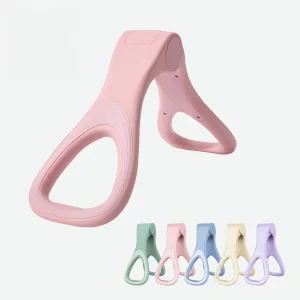
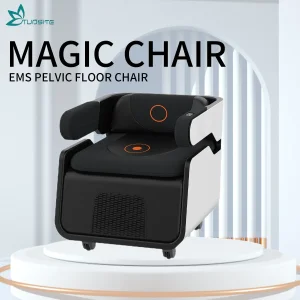
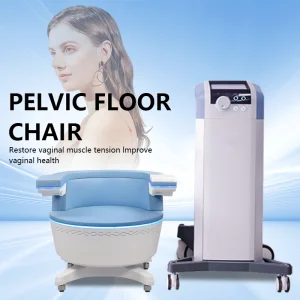
Our flagship Multi-Functional Pelvic Floor and Leg Clamping Device represents the pinnacle of pneumatic engineering. Unlike standard recovery boots, this system targets the core and lower extremities simultaneously, providing a holistic approach to circulation. It is widely used in postpartum recovery centers and athletic rehabilitation clinics worldwide.
Designed with medical-grade TPU and an AI-controlled air pump, this device ensures even pressure distribution, reducing the risk of bruising while maximizing the "milking" effect on the venous system.
The demand for high-quality compression recovery boots varies significantly across different regions. In the United States and Canada, the focus is on home-use convenience and high-pressure settings for cross-fit and marathon recovery. In Europe, specifically Germany and the UK, there is a heavy emphasis on medical certification (CE Class IIa) for clinical lymphedema treatment.
As a prominent Chinese manufacturer, Shanghai Health Line Co., Ltd. offers advantages that go beyond just cost-savings. The Chinese supply chain for electronics and textile bonding (critical for airtight boots) is the most sophisticated in the world. Our ability to provide OEM/ODM services allows global brands to customize the number of air chambers, pressure ranges, and even the software interface.
Key advantages of our manufacturing process include:
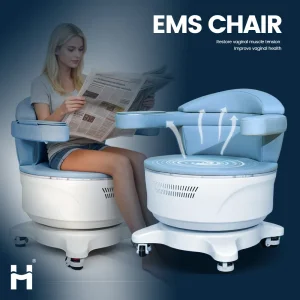
Complementing our compression line is the Non-Invasive Muscle Magnetic Stimulator. By combining pneumatic compression with electromagnetic stimulation, facilities can offer a 360-degree recovery experience. This is particularly effective for urinary incontinence and deep muscle recovery where external pressure alone isn't enough.
This integration of AI-driven magnetic fields and air pressure represents the next generation of "Smart Recovery," a trend we are currently spearheading in the global market.
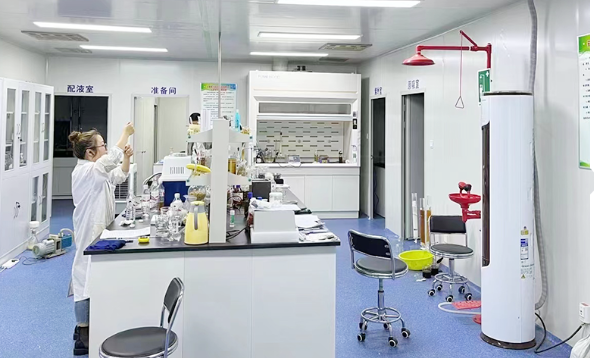
Shanghai Health Line Co., Ltd. is a high-tech enterprise engaged in the development, extraction, production and sales of Active ingredient of natural plant medicines, focusing on the production of Qinba selenium rich traditional Chinese medicine plants, pharmaceutical raw material intermediates, and raw materials for health care products.
We have complete production lines such as low-temperature extraction, chromatographic separation and purification, and GMP precision drying and packaging workshops.
Source factory of traditional Chinese medicine plant resources, focusing on local advantageous resource varieties. Scale effect and advanced extraction equipment are more energy-saving and consumption reducing. High quality business environment and low cost of expenses provide competitive pricing for our products.
When selecting the best manufacturers for recovery boots, we evaluate them based on four critical industrial metrics:
As the industry moves toward AI-integrated wellness, our factory continues to lead by incorporating biometric sensors that adjust compression cycles based on the user's heart rate and oxygen saturation levels.
 Health Line