Insecticides Pesticides Emamectin Benzoate 5% 5sg 70 10% Powder

Still deciding? Get samples of $ !
Request Sample

Product Description

📋 Basic Information
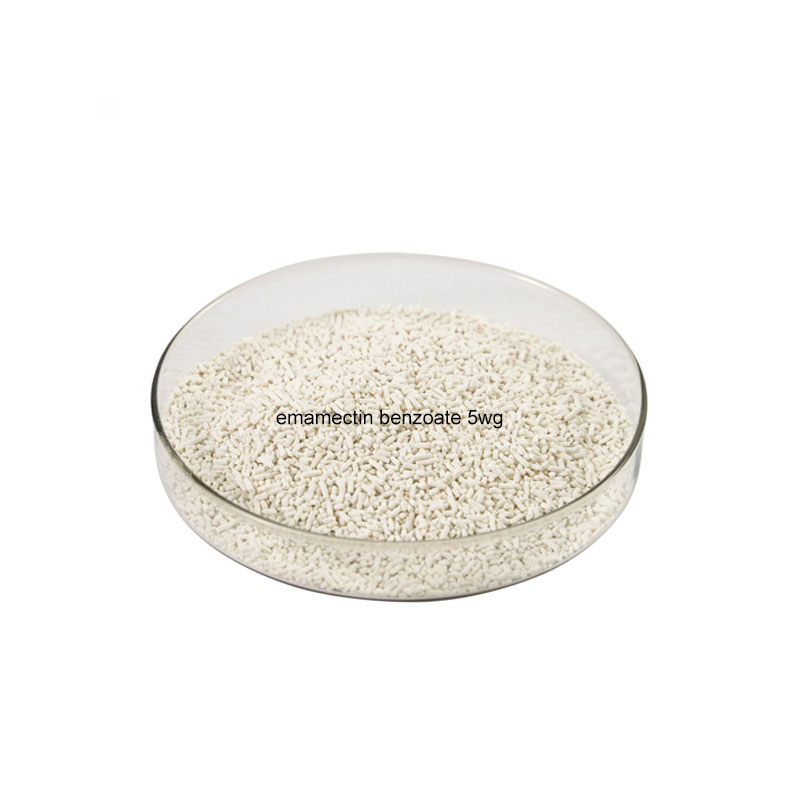
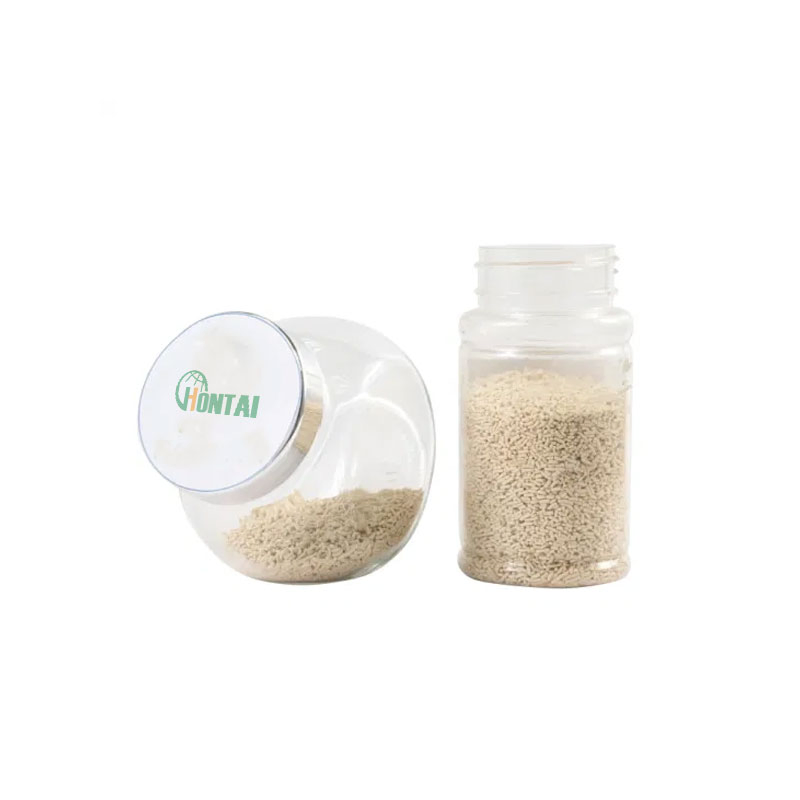
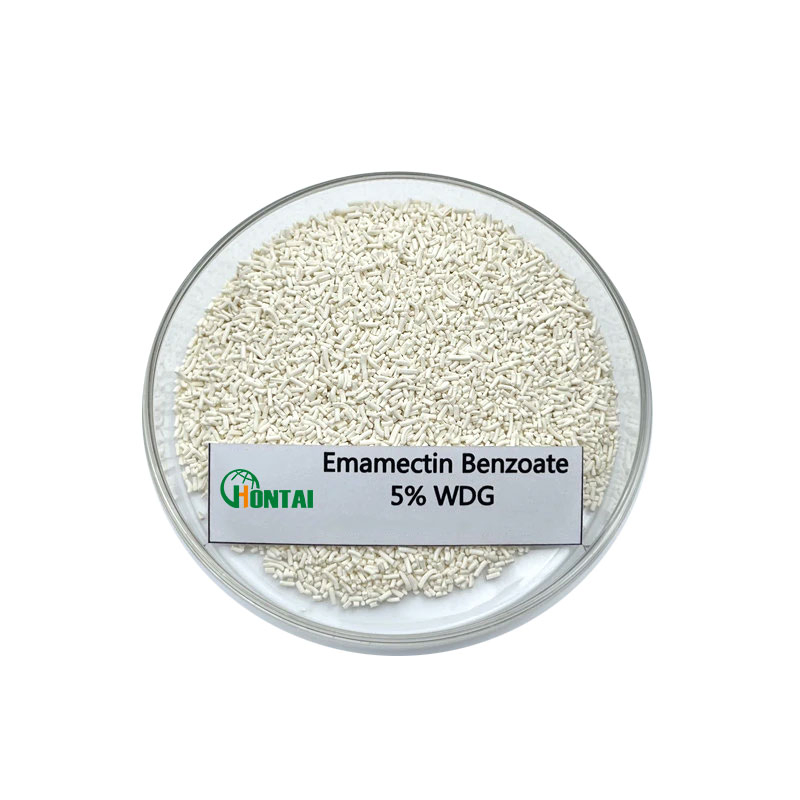
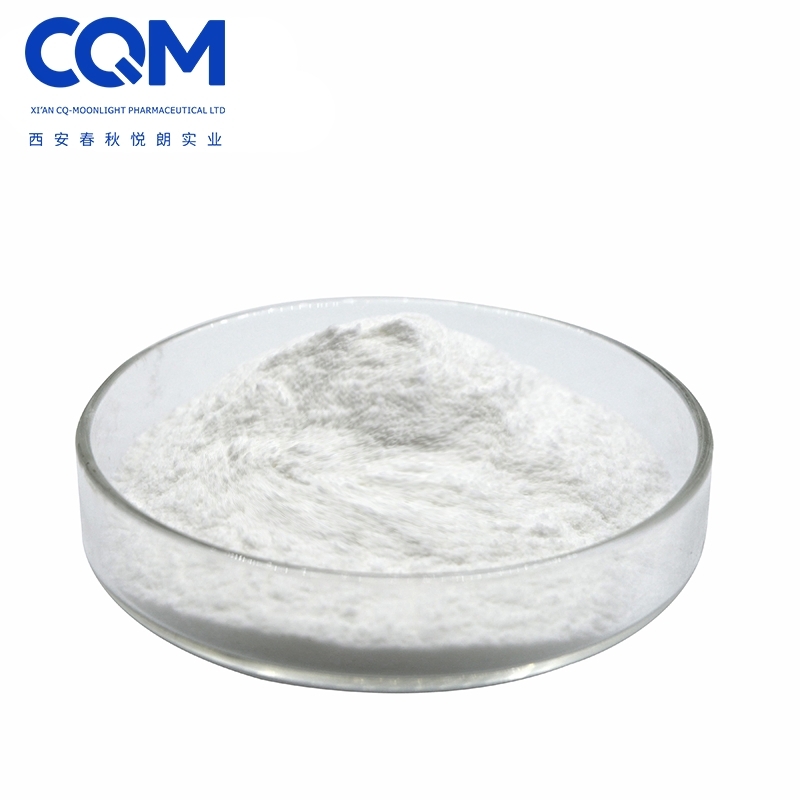
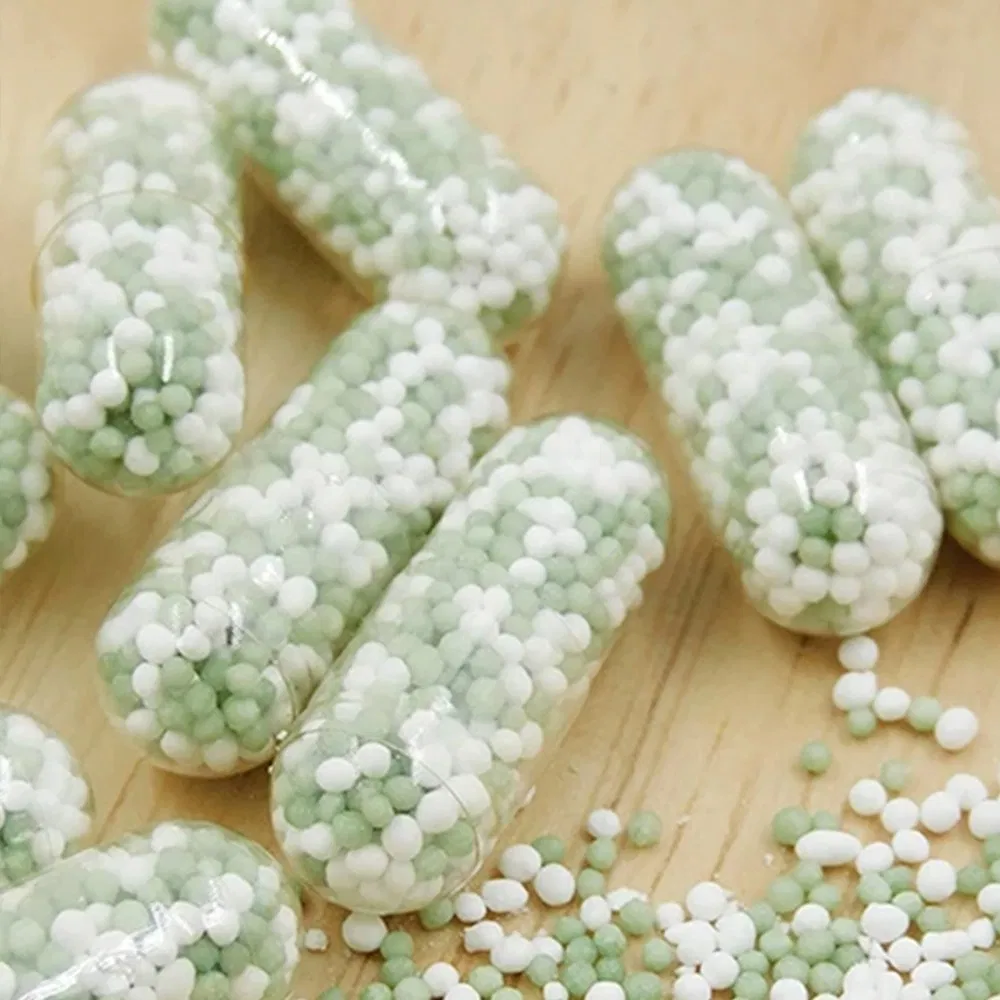
Appearance
Granules
Source
Insect Hormone
Quality
High Effective
Package
Client's Requirements
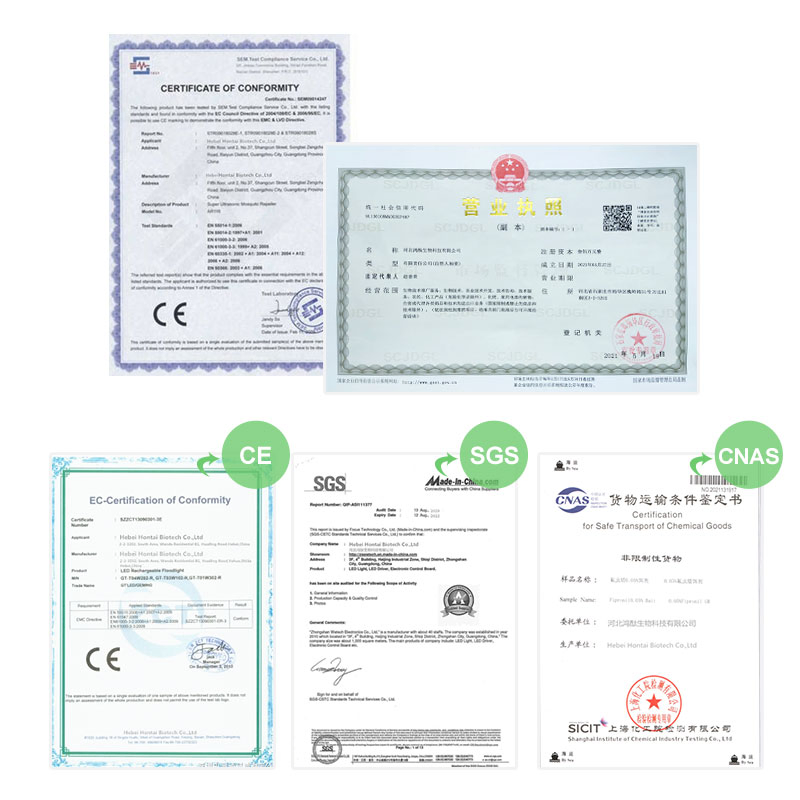
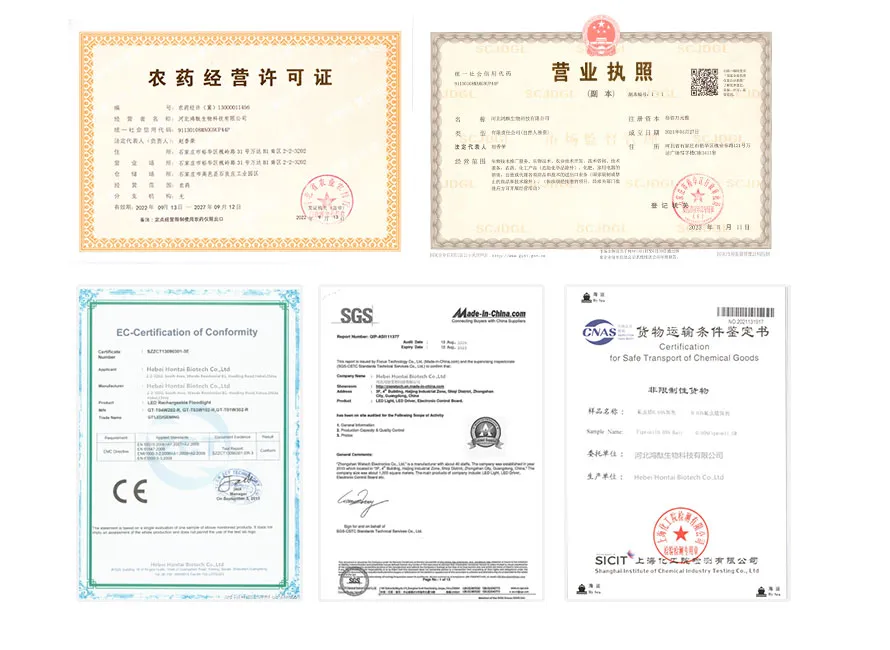
Certification
ISO9001
Shelf Life
2 years
Origin
China
Capacity
2000 tons
🛡️ Product Description
Product Name Emamectin benzoate
CAS No. 155569-91-8
Formulations 90%/70% TC; 30%/20%/10% WDG; 5% SG
Mechanism Microbial toxicity insecticide and acaricide based on Avermectin. Acts mainly in stomach with contact action. High activity and broad spectrum.
Advantages
  • Safe and environmental friendly (no residue)
  • High efficiency with wide insecticidal spectrum
  • Activity levels significantly higher than avermectin
  • Applicable for fruits, vegetables, and field crops
Application Controls Rice leaf folder, Diamondback moth, Red mites, Jumping plantlices, Nematode, leafminer, etc. Dosage for Lepidoptera: up to 16 g/ha (vegetables/cotton), 5-25 g/ha (pine trees).
Toxicology Rat Oral LD50: 1516Mg/KG; Rabbit Dermal LD50 > 2000Mg/KG. Slight eye and skin irritation.
🖼️ Product Display
Frequently Asked Questions
What is Emamectin benzoate used for?
It is a highly efficient microbial toxicity insecticide and acaricide used to control a wide range of pests including Rice leaf folder, Diamondback moth, Red mites, and Nematodes in various crops.
Is this product environmentally safe?
Yes, Emamectin benzoate is considered safe and environmentally friendly. It is a no-residue pesticide that aligns with national advocacy for safe agricultural applications.
What formulations are currently available?
We offer multiple formulations including 90% and 70% TC, 30%/20%/10% WDG, and 5% SG to meet different application needs.
How does the insecticidal activity compare to Avermectin?
Emamectin benzoate has high insecticidal activity that is several times more potent than traditional avermectin, providing longer-lasting effects.
What is the recommended dosage for crop protection?
For Lepidoptera on vegetables, brassicas, and cotton, the dosage is up to 16 g/ha. For application in pine trees, the range is typically 5-25 g/ha.
What are the storage requirements and shelf life?
The product has a shelf life of 2 years when stored properly. We provide various packaging options based on client requirements to ensure product stability.

Related Products