🔬 Product Parameters
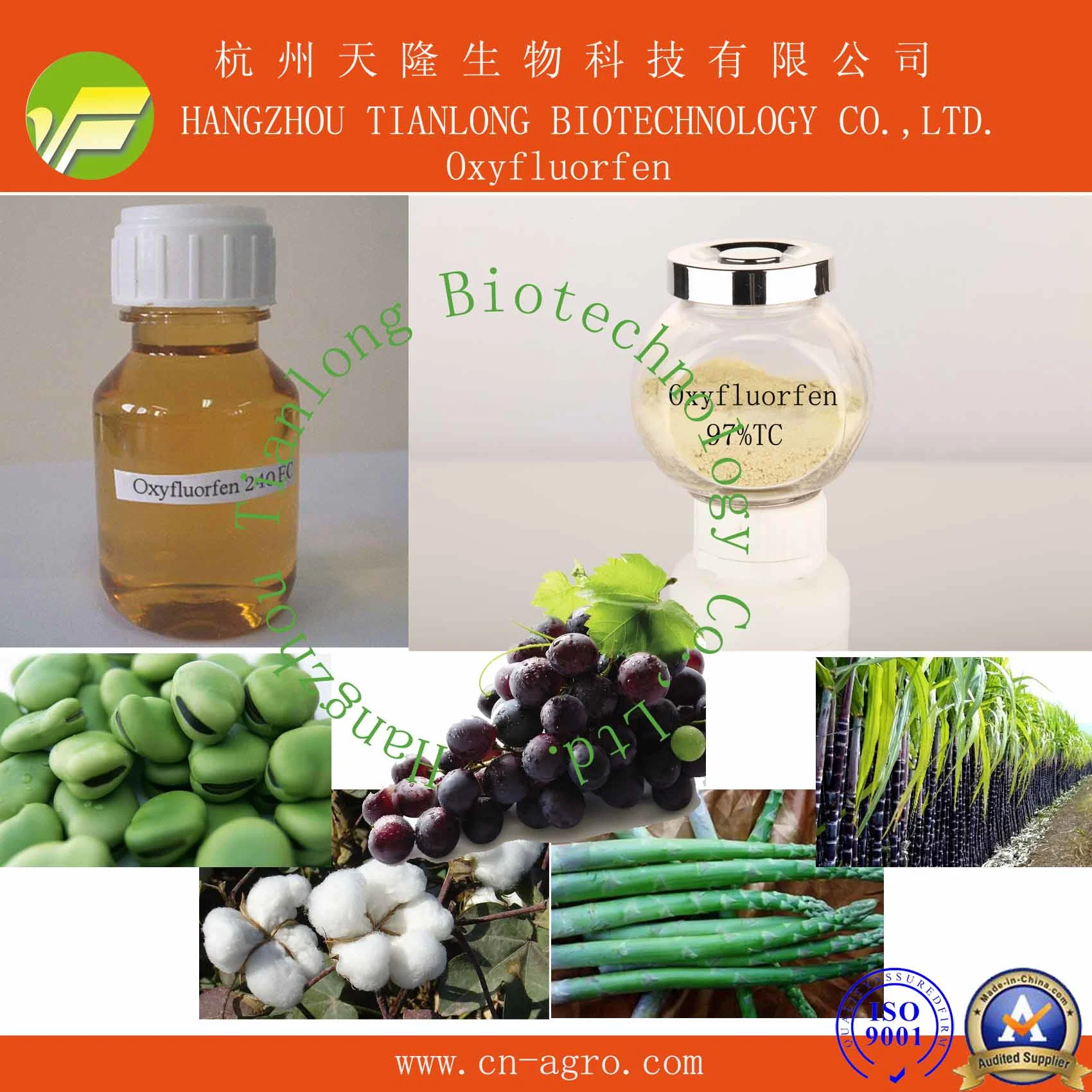
Common name: Oxyfluorfen
Other name: Oxyfluorfen (BSI, E-ISO, ANSI, WSSA); Oxyfluorfene ((m) F-ISO)
Iupac name: 2-chloro-α , α , α -trifiuoro-p-tolyl-3-ethoxy-4-nitrophenyl ether
Chemical Abstracts name: 2-chloro-1-(3-ethoxy-4- nitrophenoxy)-4-(trifluoromethyl)benzene
CAS No: [42874-03-3]
Type: Herbicide
Molecular Formula: C15H11ClF3NO4
Molecular Weight: 361.7
Physical Chemistry
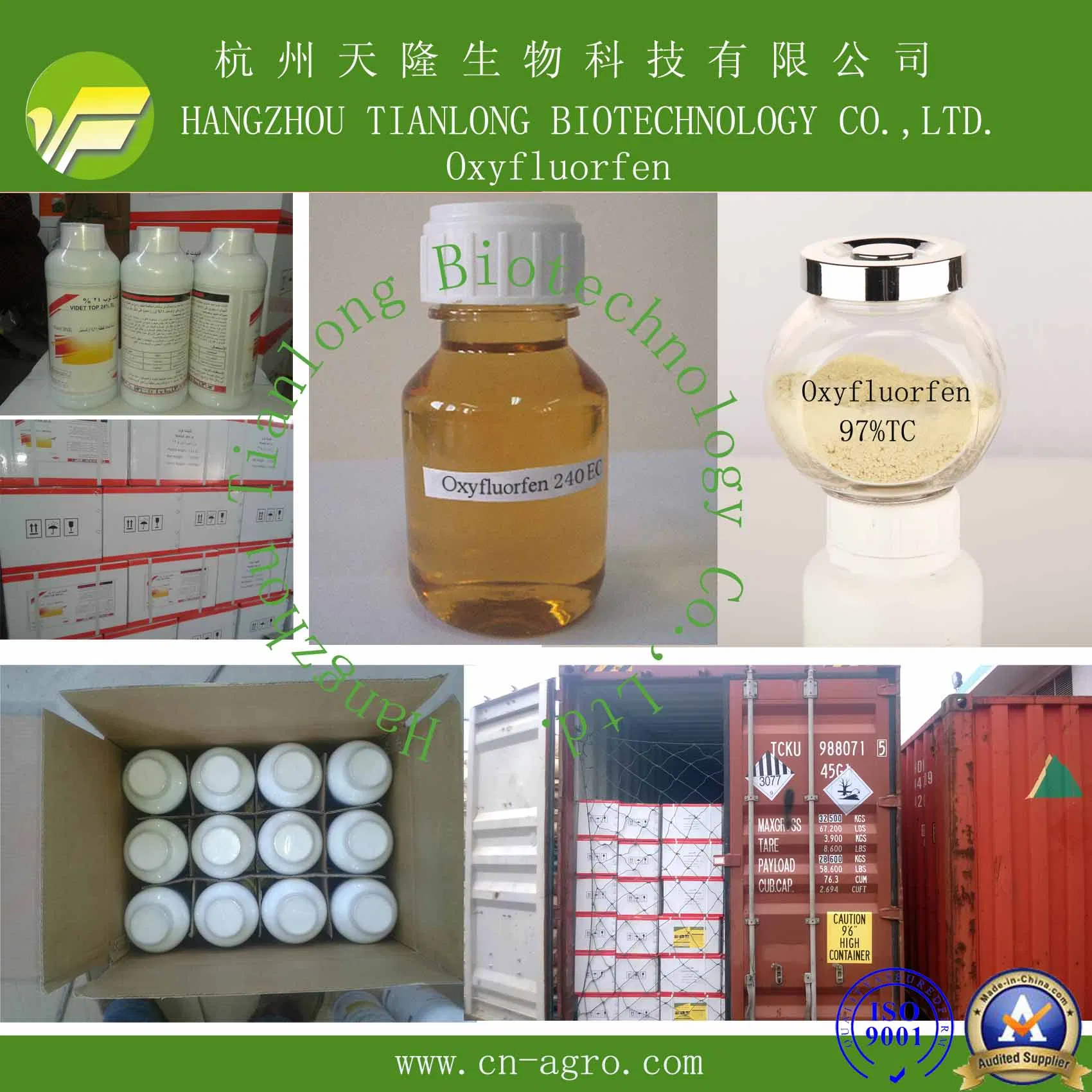
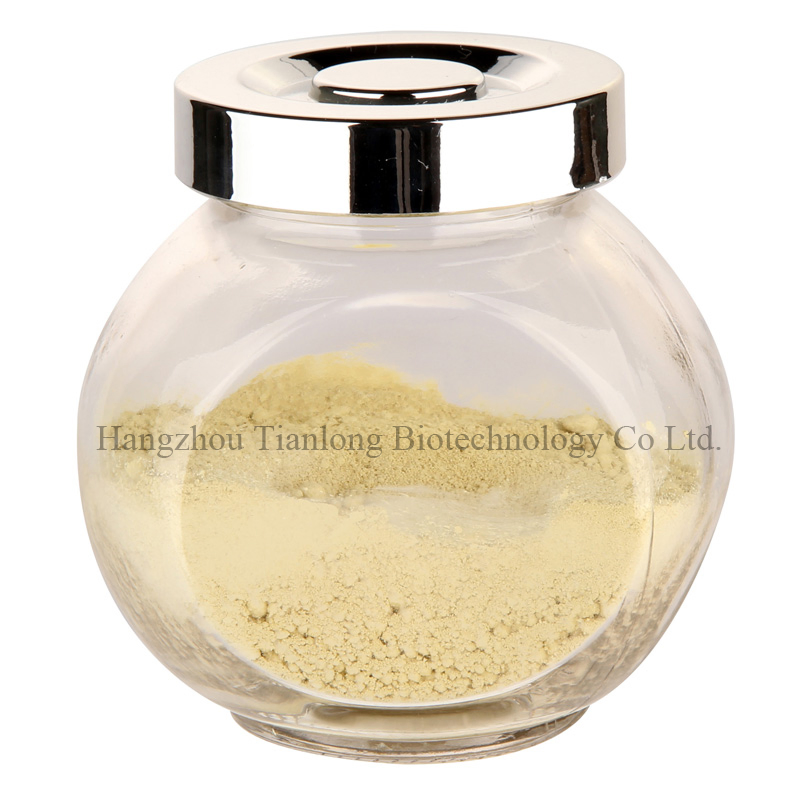
Form (appearance): Orange, crystalline solid.
Melting Point: 85-90º C; (tech., 65-84º C)
Boiling Point: 358.2º C (decomp. )
Vapor Pressure: (pure a. I. ) 0.0267 MPa (7-5º C)
Solubility: In water 0.116 mg/l (25º C). Readily soluble in most organic solvents (Acetone, Chloroform, etc.)
Stability: Stable up to 50º C. Decomposed rapidly by U.V. irradiation.
🌱 Application & Usage
Formulation types: EC; GR.
Biochemistry: Protoporphyrinogen oxidase inhibitor.
Mode of action: Selective contact herbicide, absorbed more readily by the foliage (especially the shoots) than by the roots, with very little translocation.
Main Uses: Control of annual broad-leaved weeds and grasses in a variety of tropical and subtropical crops.
Target Crops: Tree fruit (citrus), vines, nuts, cereals, maize, soya beans, peanuts, rice, cotton, bananas, onions, garlic, and ornamental trees.
Application Rate: 0.25-2.0 kg a. i. /ha.
Toxicology & Environment
Mammalian Toxicology: Acute oral LD50 for rats >5000 mg/kg. Mild skin and eye irritant.
Ecotoxicology: Not toxic to honeybees. Toxic to fish (LC50 96h for trout 0.41 mg/l).
Environmental Fate: Strongly adsorbed on soil with negligible leaching. Microbial degradation is not a major factor.
❓ Frequently Asked Questions
What is the primary function of Oxyfluorfen?
Oxyfluorfen is a selective contact herbicide used to control annual broad-leaved weeds and certain grasses in a wide range of tropical and subtropical crops.
Can it be applied to all crops safely?
While it is effective for many crops like citrus and cereals, certain plants like soya beans and cotton may be injured upon contact with the chemical.
How should Oxyfluorfen be applied?
It is typically applied via pre-emergence or post-emergence methods, specifically targeting cauline leaf treatment at rates between 0.25 to 2.0 kg a.i./ha.
Is this herbicide harmful to bees?
According to ecotoxicology data, Oxyfluorfen is not toxic to honeybees at standard application levels (0.025 mg a.i./bee).
What is its environmental stability?
It is stable up to 50°C and strongly adsorbs to soil, showing negligible leaching. However, it decomposes rapidly when exposed to U.V. irradiation.
 Health Line