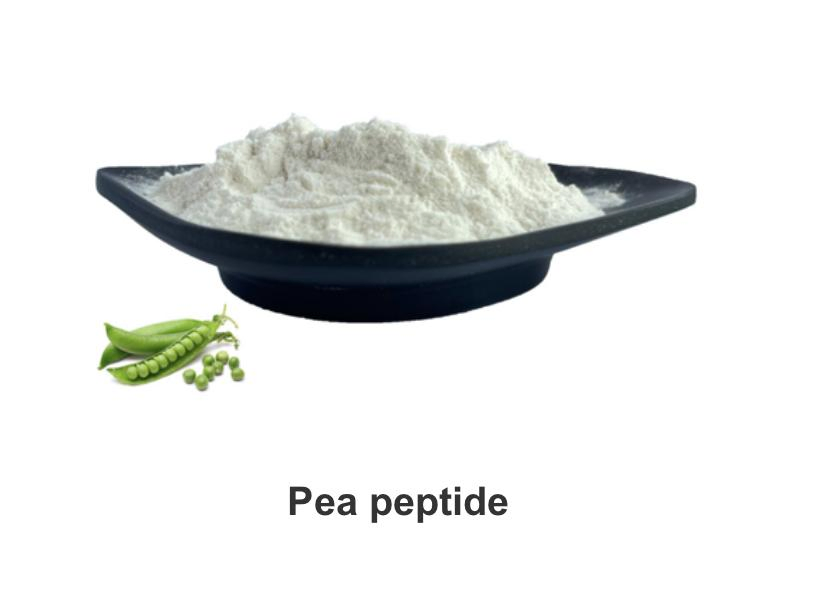
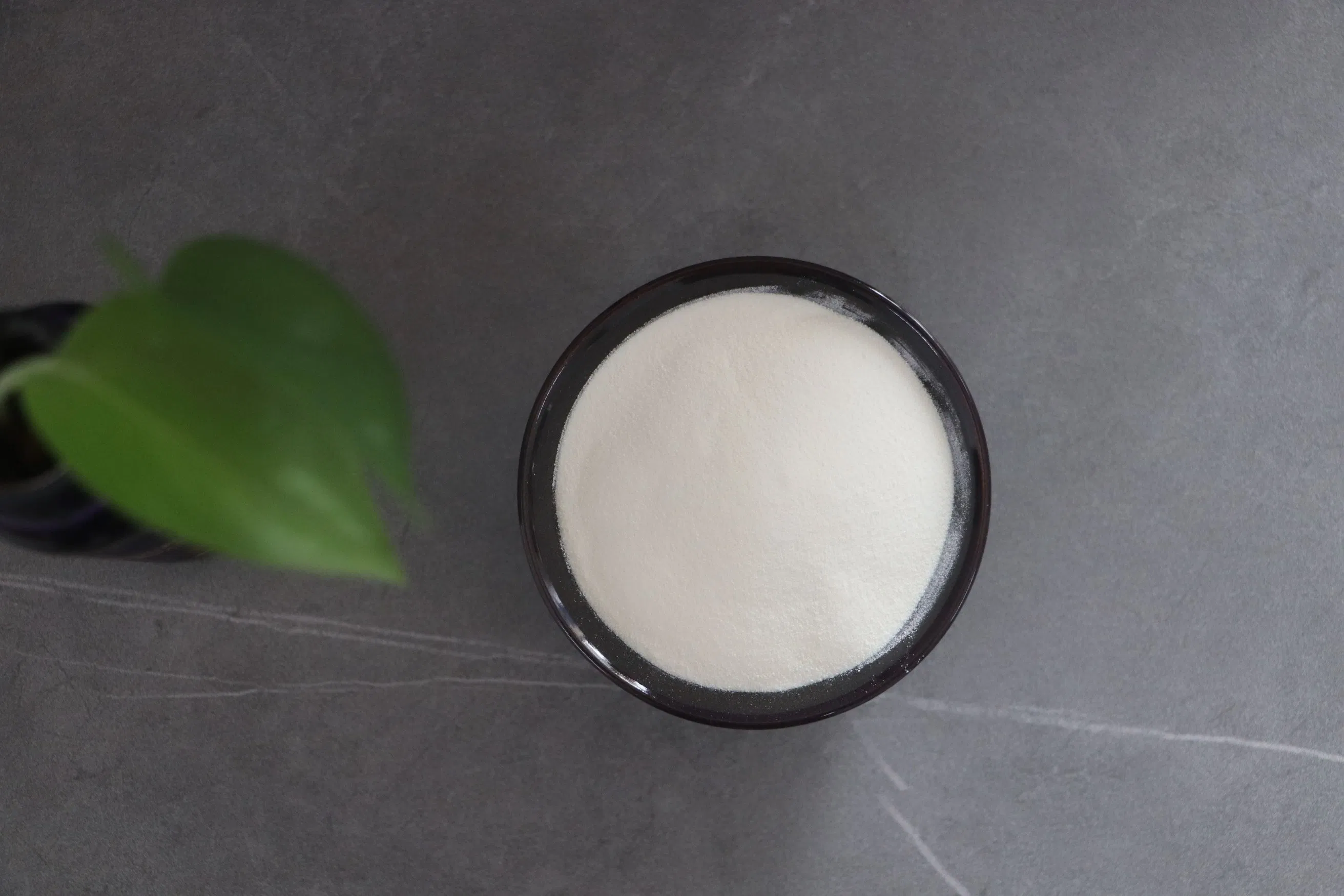
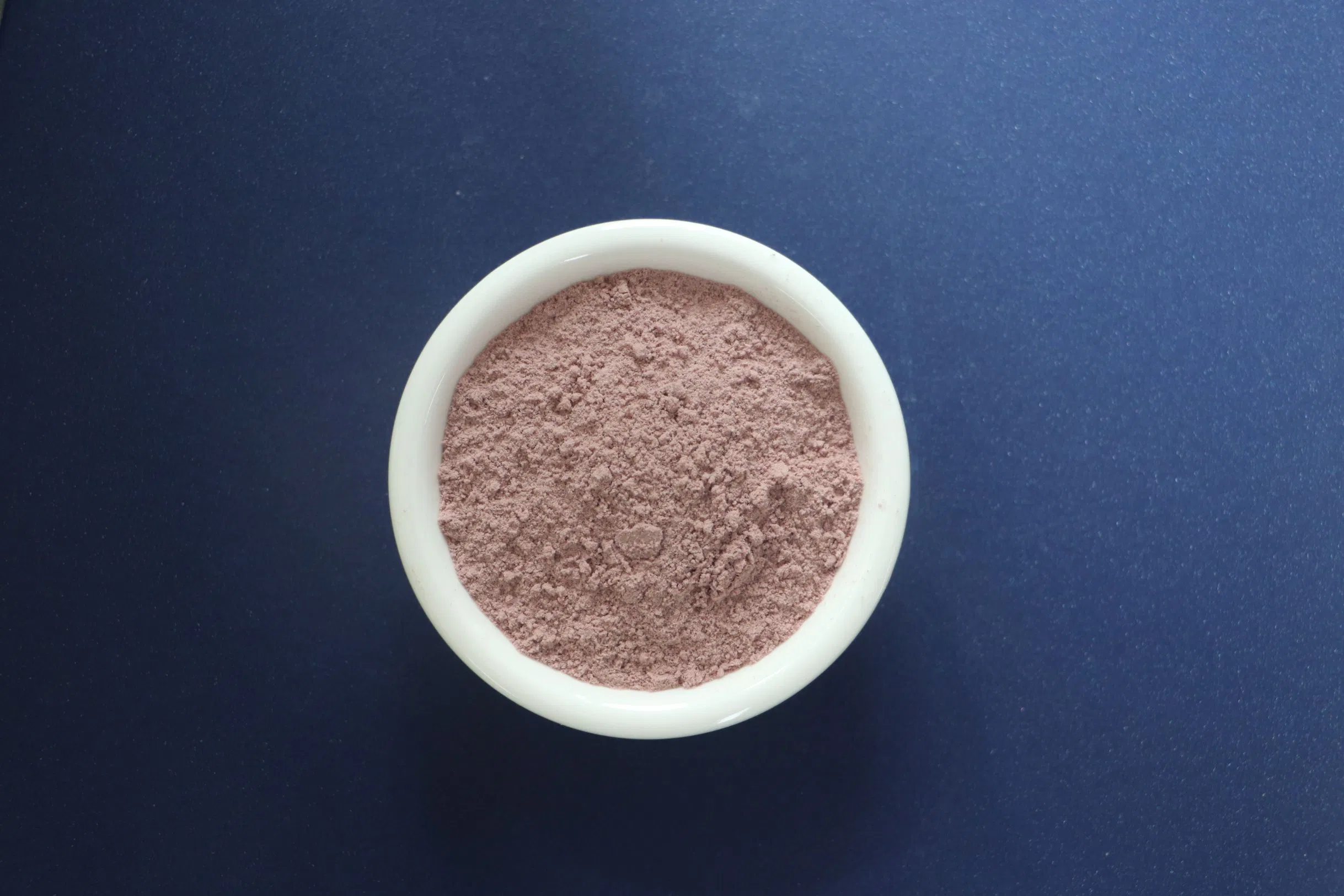
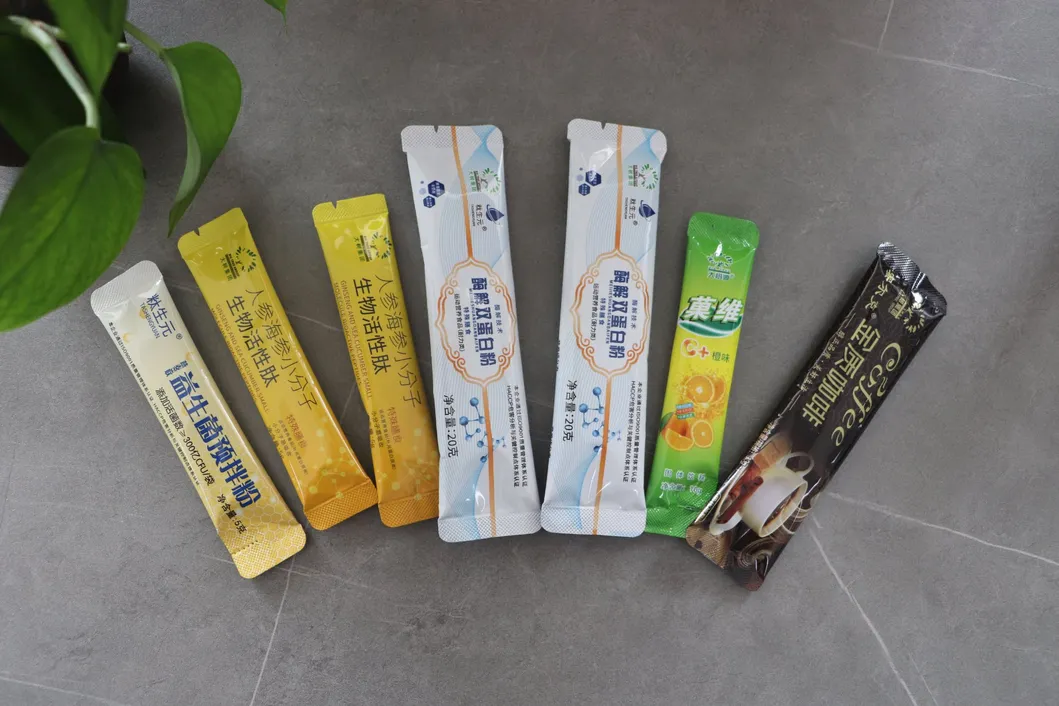
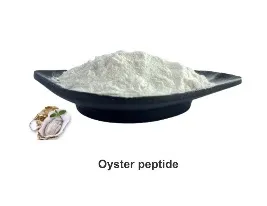
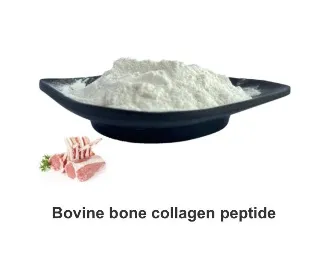
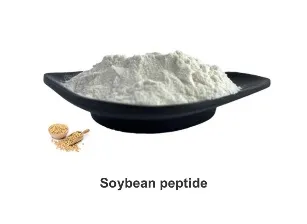
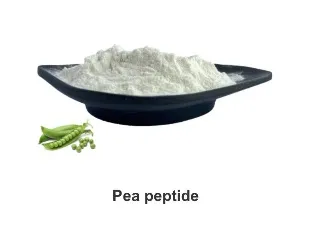
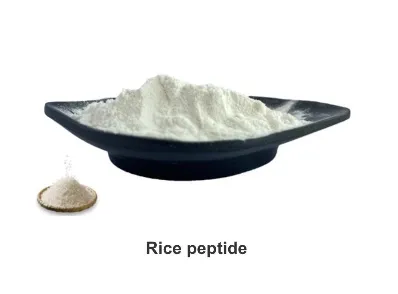
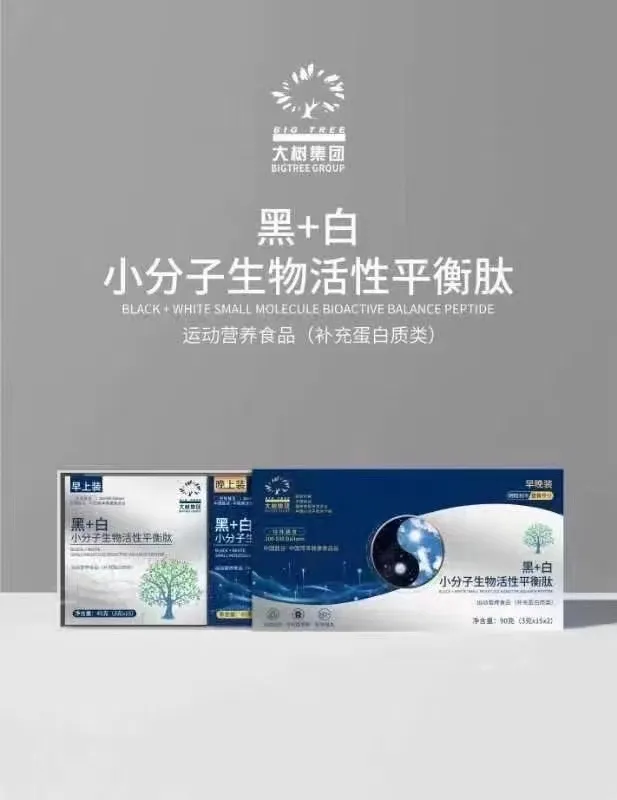
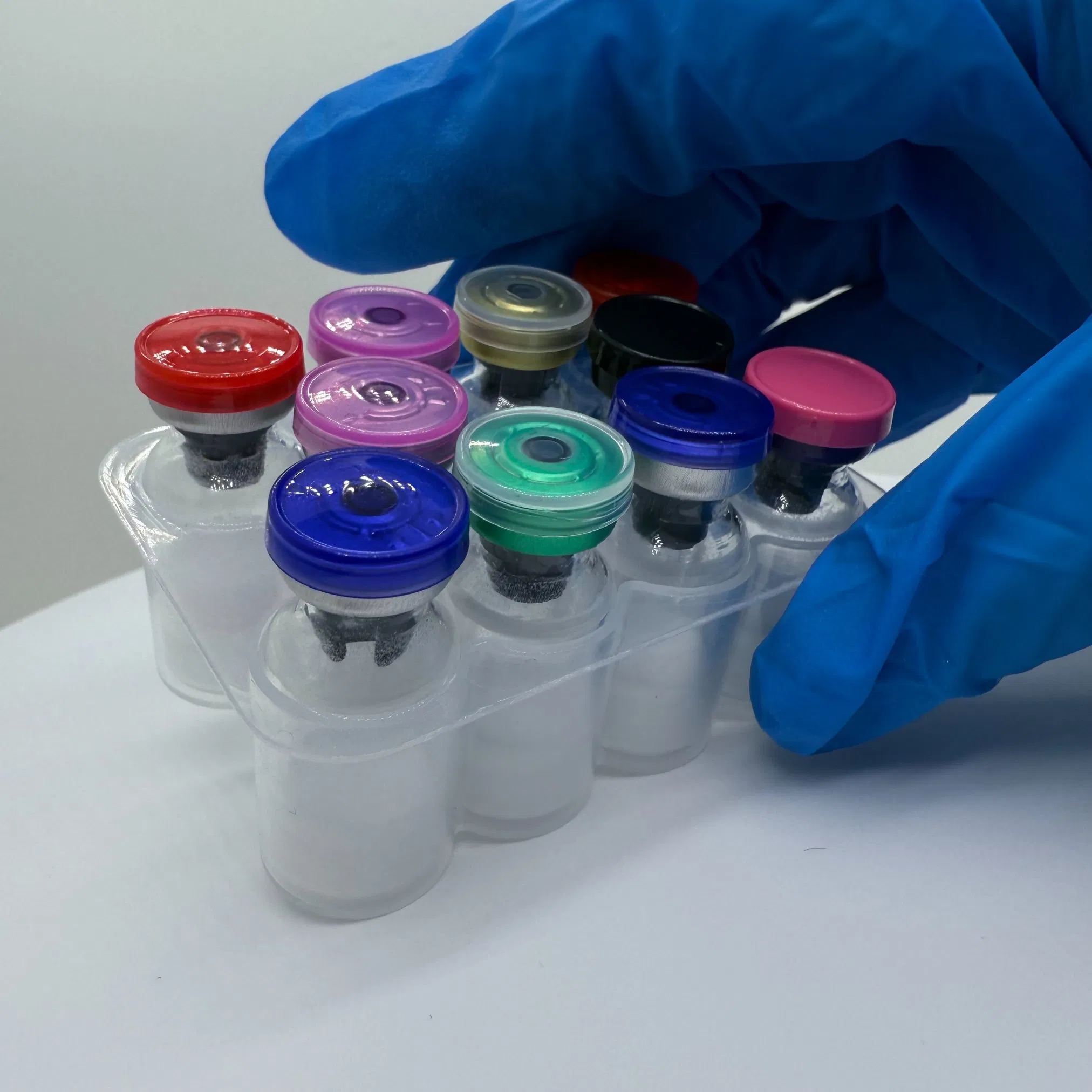
A peptide is an organic compound formed by dehydration of amino acids, containing carboxylic and amino groups, and is an amphoteric compound. It is a bioactive substance involved in a variety of cellular functions in living organisms. Hundreds of peptides have been found in living organisms, which are essential participants in the completion of a variety of complex physiological activities. All cells can synthesize peptides, and their functional activities are regulated by peptides. It involves hormones, nerves, cell growth and reproduction, and its importance lies in the regulation of various systems, organs and cells in the body.
The development pattern covers multiple industries including agricultural planting, nutritional health products processing, and healthcare services. With standardized plants exceeding 200,000 square meters, the focus remains on functional food and nutrition food research, development, production, and sales.
Frequently Asked Questions
What are the primary benefits of using peptides?
Peptides regulate various systems in the body, including hormones, cell growth, and reproduction. They are highly bioactive and easily absorbed compared to whole proteins.
Are your peptide products natural?
Yes, all peptides are derived from natural sources such as peas, rice, oysters, and fish using bio-directed enzymatic hydrolysis without chemical synthetic additives.
What is the shelf life and storage requirement?
The shelf life is typically between 6 to 12 months. They should be stored in a normal, dry environment away from direct sunlight.
Can these peptides be used in food production?
Absolutely. These peptides are widely used in functional foods, beauty supplements, and nutritional products due to their high solubility and safety profile.
Do your products contain chemical additives?
No, we utilize modern enzymatic hydrolysis and separation techniques to ensure the purity of the peptides without adding chemical synthetic components.
 Health Line