Health Line
1 / 5
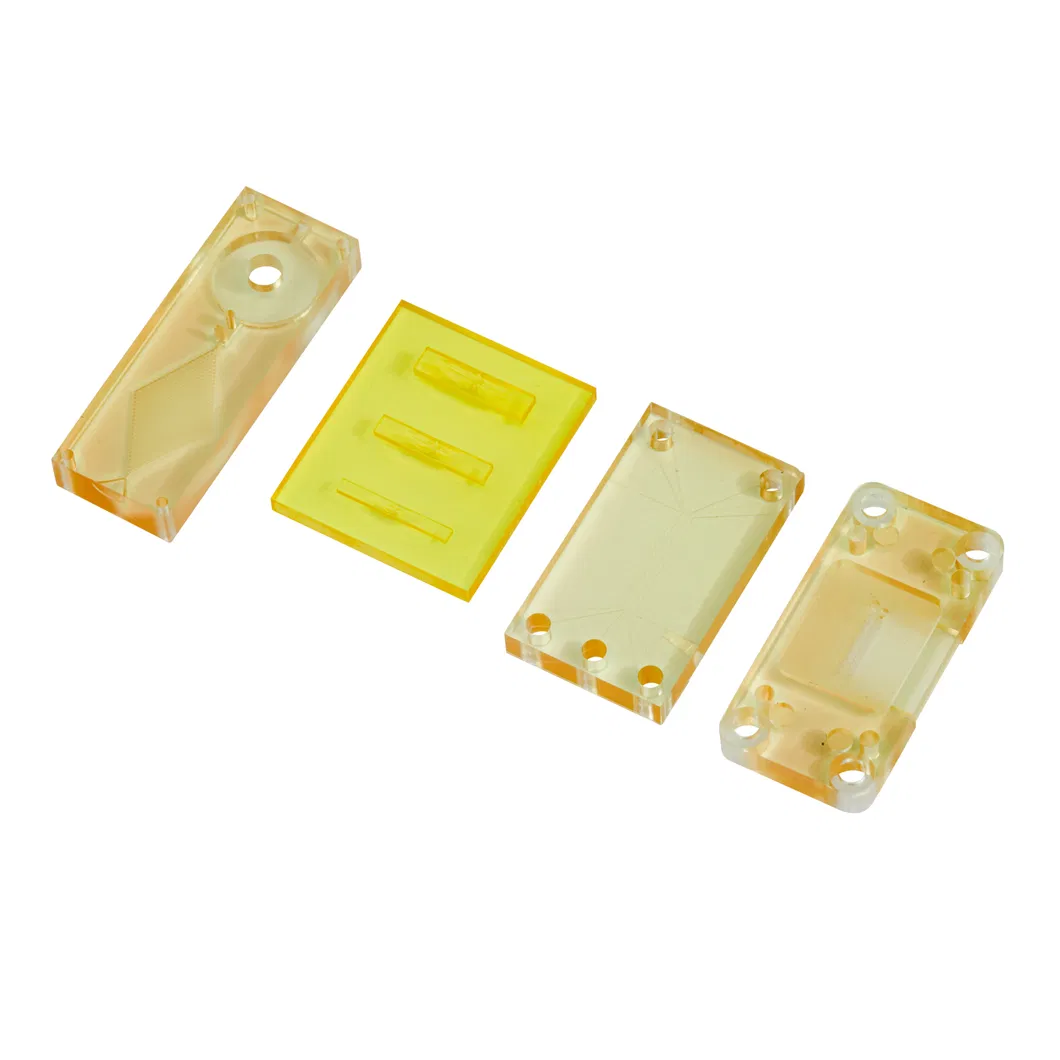
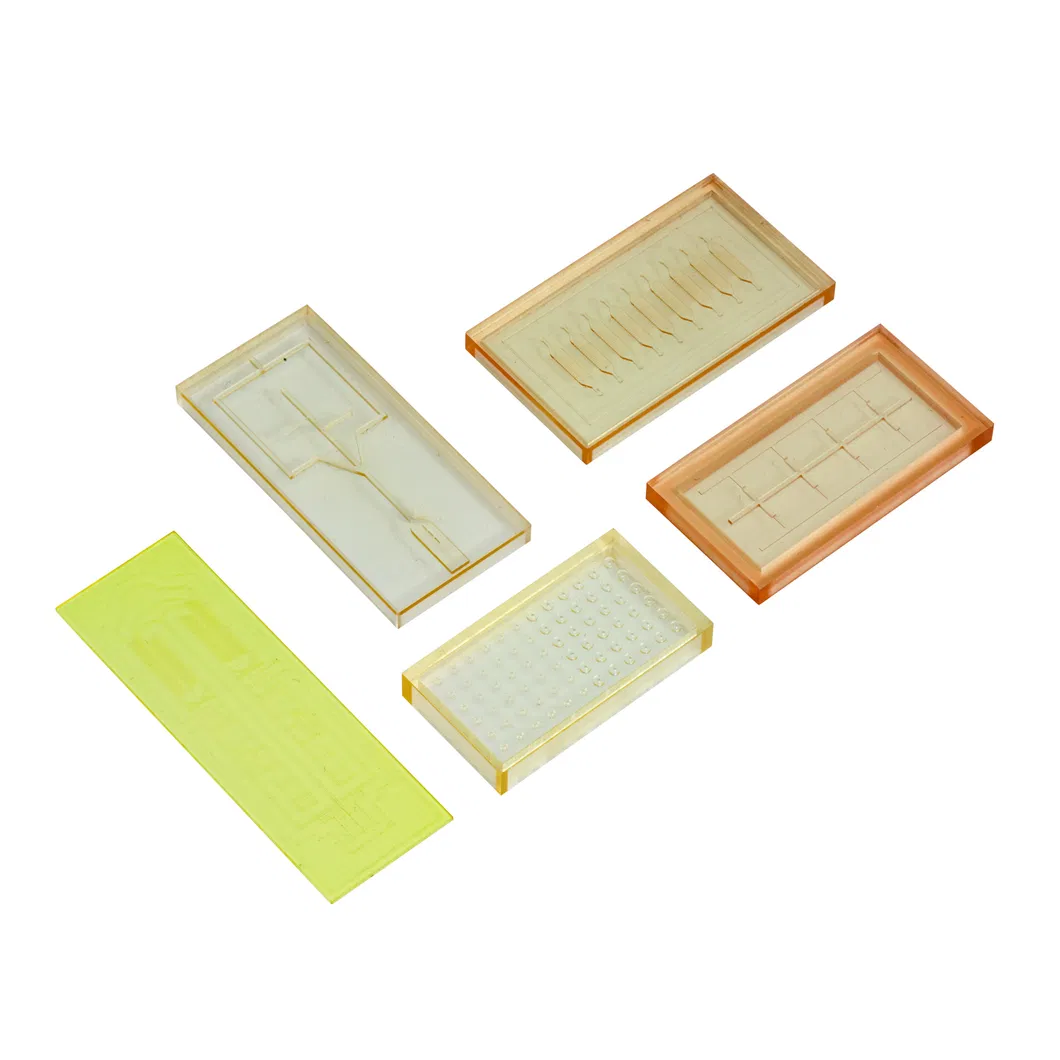
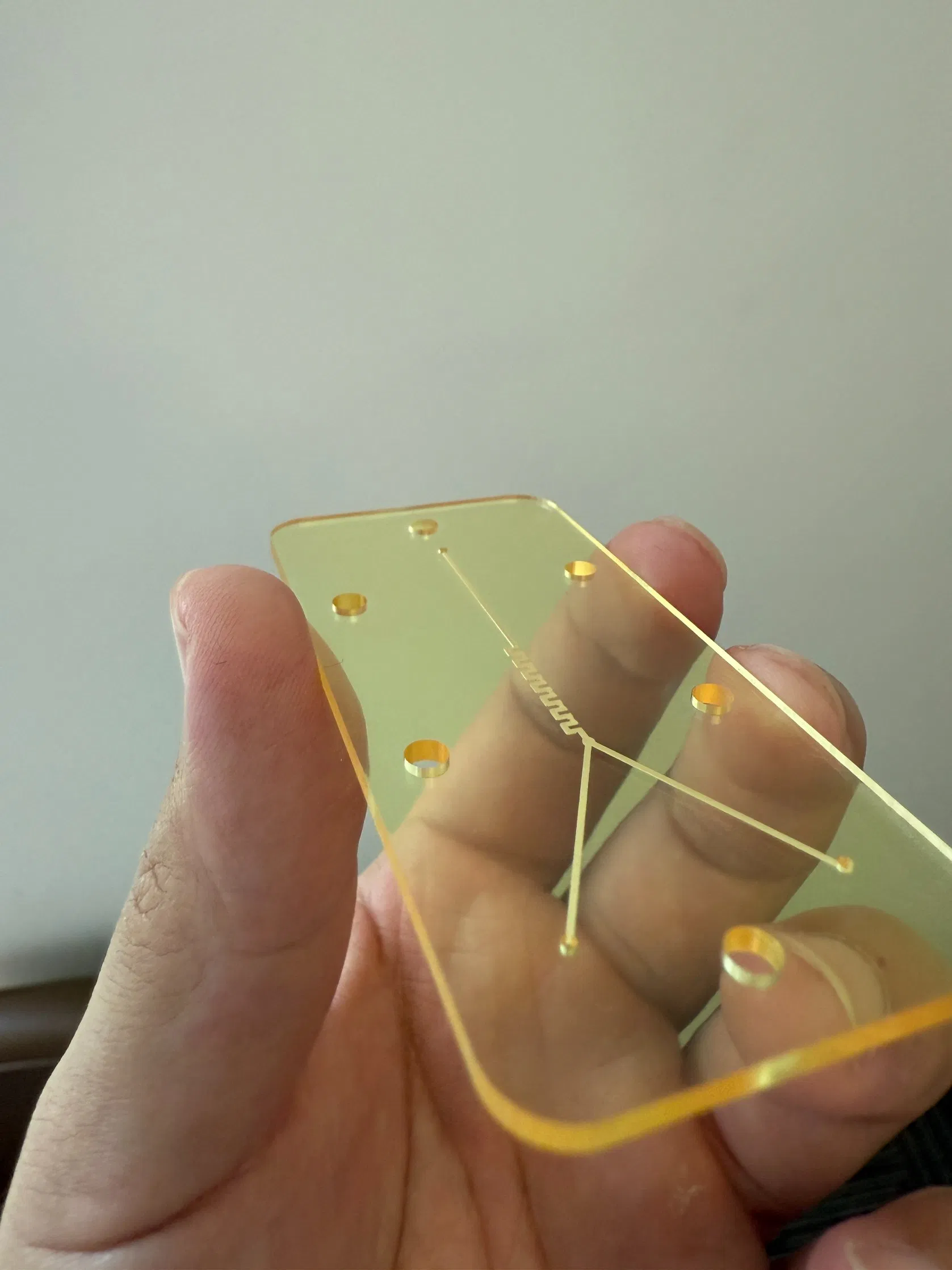
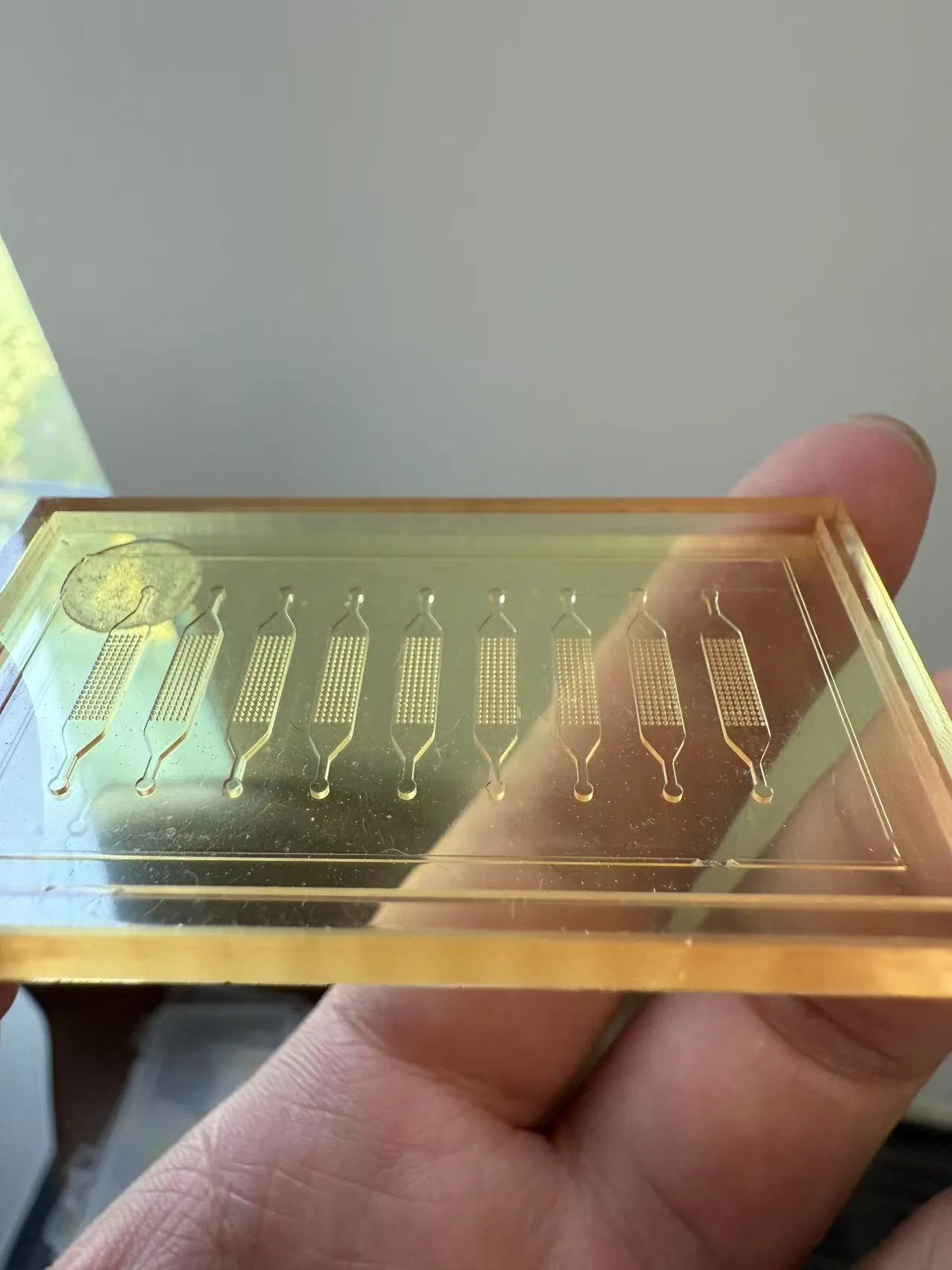
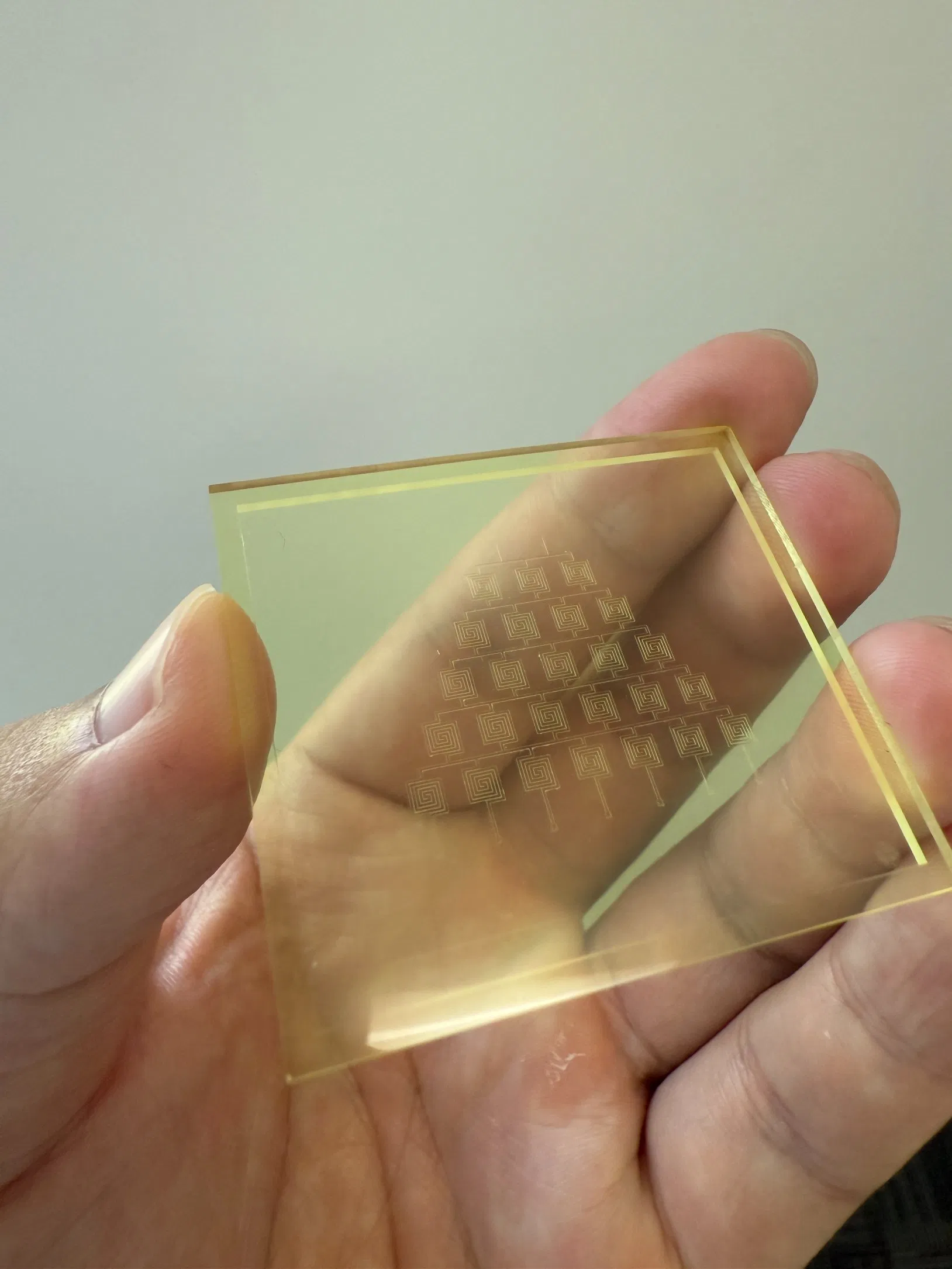
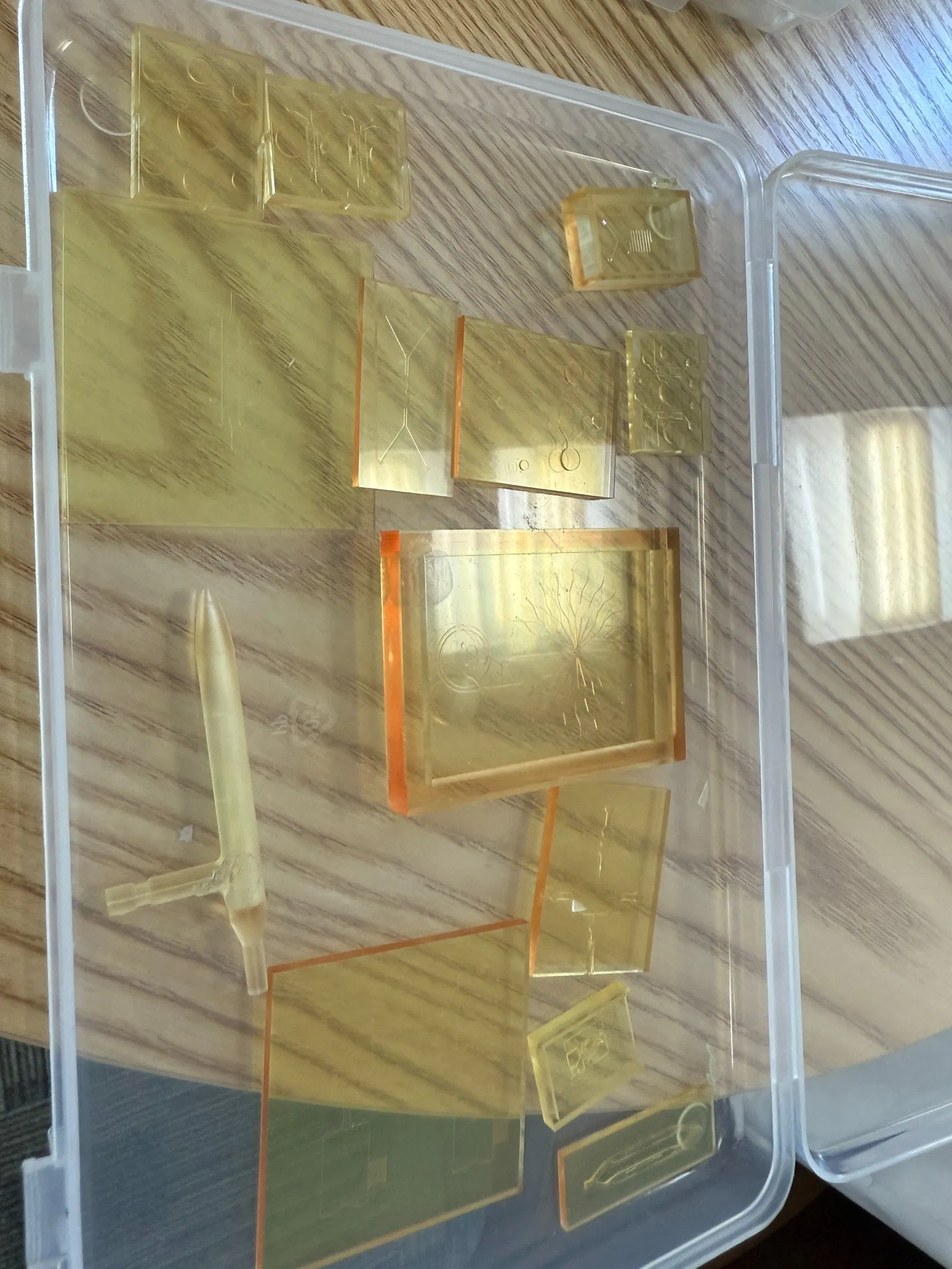
Microfluidics in the medical industry refers to the science and technology involved in the use of micro pipes (tens to hundreds of microns in size) to process or manipulate micro fluids (volume from skin to nano liter). It is a new interdisciplinary subject involving chemistry, fluid physics, microelectronics, new materials, biology and biomedical engineering.
Because of the characteristics of miniaturization and integration, microfluidic devices are usually called microfluidic chips, also known as lab on a chip and micro total analytical system. One of the important characteristics of microfluidic is the unique fluid properties in the micro scale environment, such as laminar flow and droplets. With the help of these unique fluid phenomena, microfluidic can realize a series of microfabrication and micromanipulation that are difficult to complete by conventional methods.
The term lab-on-a-chip refers to a miniaturized, microfluidic system that enables laboratory analysis on a single chip. This technology can be used to image extensive biological, chemical and physical processes. Main applications include:
Glass, quartz, and glass-silicon combinations are ideal for these applications due to their resistance to high temperatures and chemicals, and their superior bio-compatibility compared to standard polymer substances.
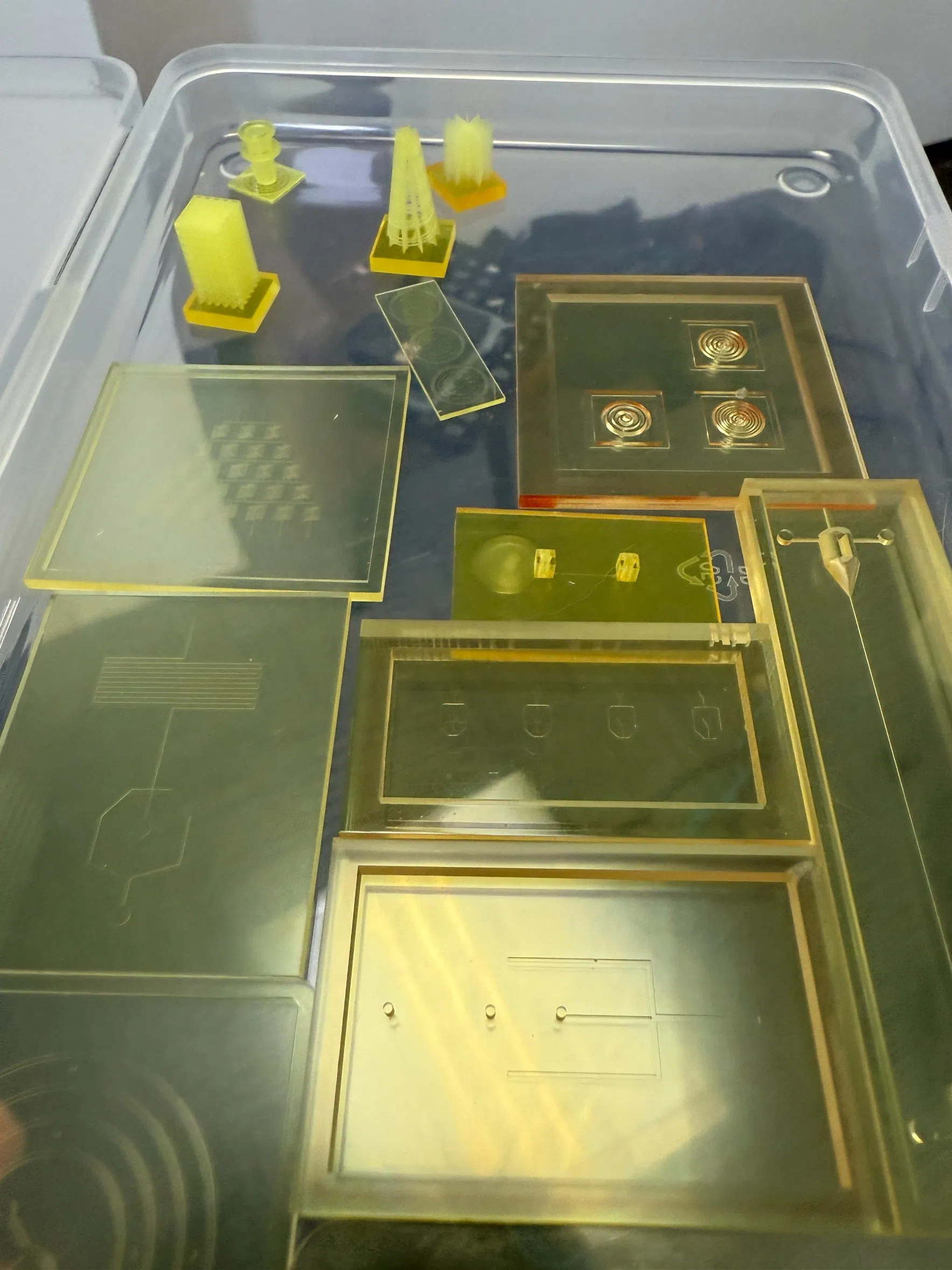
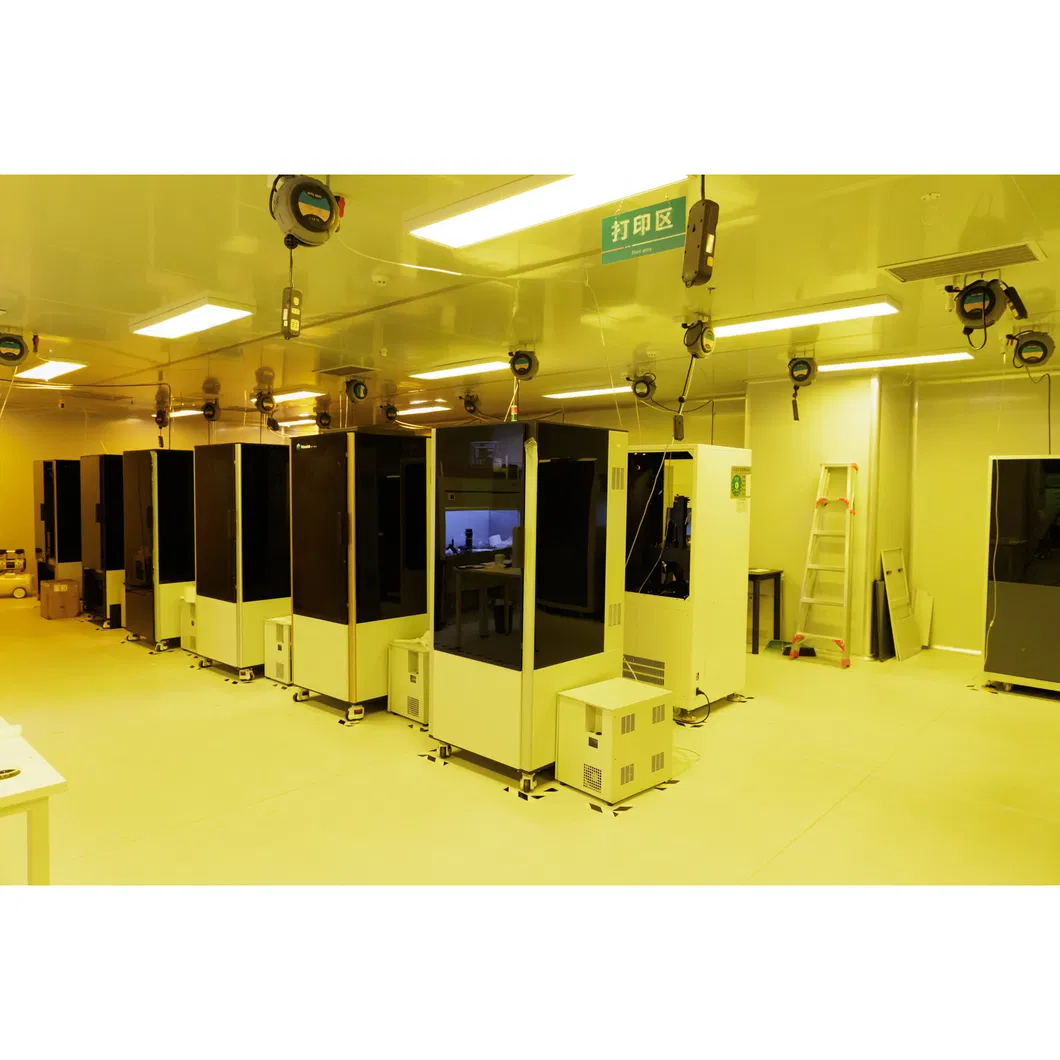
Designers can convert CAD models into physical chip prototypes in hours. There is no need for weeks of mask fabrication or mold processing, greatly shortening the R&D cycle and reducing the cost of design exploration.
3D printing enables complex three-dimensional microchannels, mixers, valves, and chambers (such as gradient generators) that are difficult to produce via traditional lithography. Integration of connectors and sensors reduces assembly steps and improves sealing reliability.
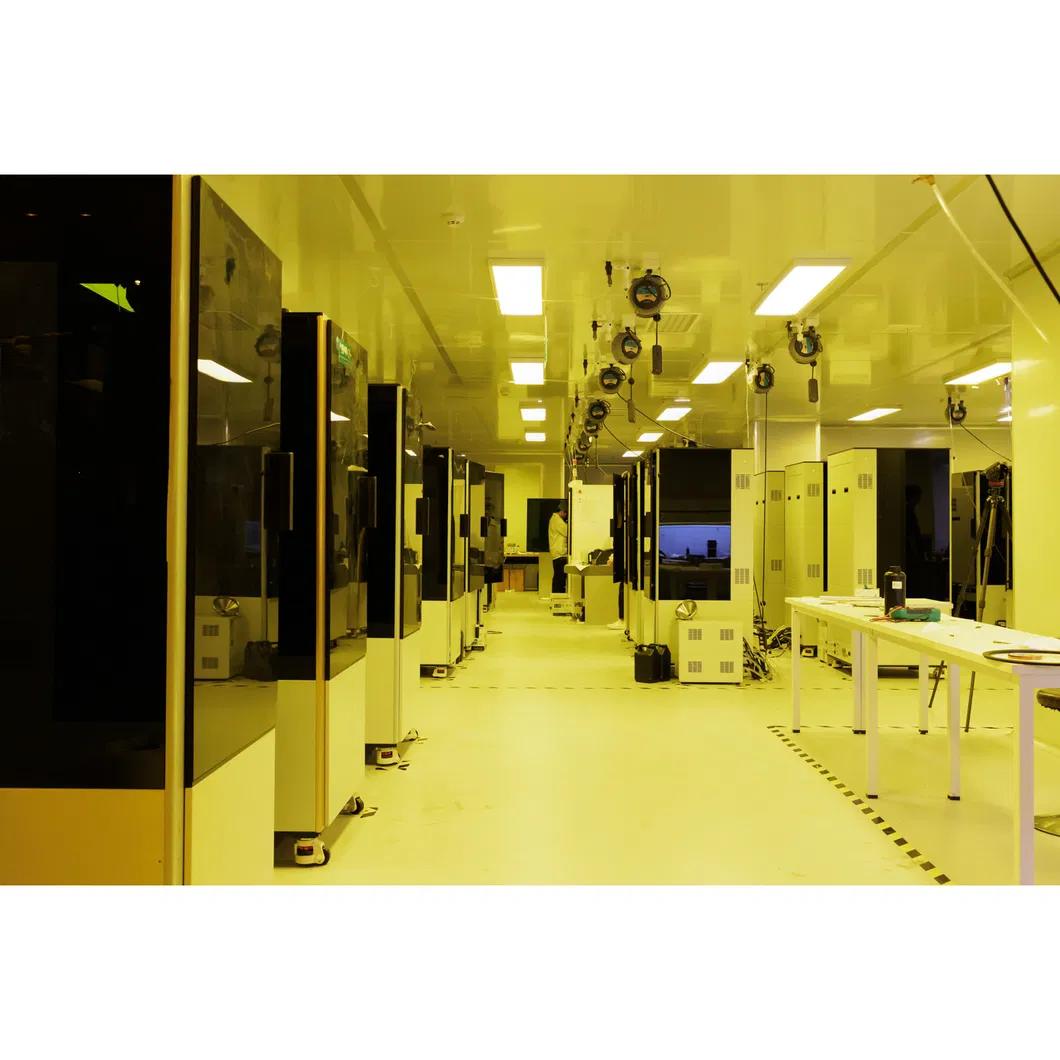
Lowers equipment thresholds as expensive clean room facilities are not always required. As an additive manufacturing process, it reduces material waste and lowers labor training requirements compared to traditional micro-nano processing.


1. What materials are commonly used for microfluidic chips?
We primarily use Glass, PMMA, Pdms, and Quartz, which offer excellent bio-compatibility and resistance to harsh environmental conditions.
2. What is the maximum manufacturing accuracy achievable?
Our precision processing allows for a dimensional accuracy of up to ±2um, ensuring high reliability for micro-scale fluid manipulation.
3. Can the chip design be fully customized?
Yes, we provide one-stop solutions where customers can either provide their own drawings or specify functional requirements for our technicians to design.
4. What are the advantages of 3D printed microfluidic chips?
3D printing allows for rapid iteration, complex 3D internal structures, and integrated manufacturing of connectors, significantly reducing R&D time and costs.
5. Is mass production available for these chips?
Yes, we support mass production through advanced injection molding and precision mold development, with a capacity of up to 10,000 PCS per month.
6. What industries benefit most from microfluidic technology?
Key sectors include medical diagnostics, aerospace, semiconductor manufacturing, DNA analysis, and chemical synthesis.