The global health and wellness landscape is undergoing a monumental paradigm shift toward non-invasive diagnostic interfaces. At the vanguard of this shift is the Ketone Breath Analyzer, a device designed to quantify breath acetone concentrations (BrAce) as a direct metabolic proxy for blood beta-hydroxybutyrate (BHB). Widely utilized by fitness enthusiasts on ketogenic diets, clinical patients managing diabetes, and research institutions monitoring metabolic syndrome, these devices have transitioned from niche diagnostic gear to high-demand consumer electronics.
For international B2B buyers, sourcing these devices requires a comprehensive understanding of the manufacturing ecosystem. Not only must the devices operate with clinical-grade precision, but the underlying sensor hardware must also exhibit high sensitivity, low cross-sensitivity to environmental volatile organic compounds (VOCs), and minimal sensor drift. This whitepaper identifies the critical benchmarks for evaluating the top ketone breath analyzer factories and exporters worldwide, offering actionable insight into sourcing dynamics, quality standards, and technological trends.
B2B procurement officers must evaluate the specific technology stack utilized by ketone breath analyzer manufacturers. The core differentiation lies in the sensor module:
MEMS sensors represent the cutting edge of miniaturization. By utilizing nano-scaled tin oxide ($SnO_2$) sensing layers, these components achieve rapid heat-up times and ultra-low power consumption. They are highly suitable for compact, pocket-sized consumer devices but require advanced algorithm calibration to filter out common cross-interferents such as ethanol, carbon monoxide, and humidity.
Commonly found in medical-grade breathalyzers, electrochemical sensors operate by oxidizing acetone at a catalytic electrode, generating an electrical current directly proportional to gas concentration. This method offers unparalleled accuracy and minimal drift over years of use, though it comes at a higher unit cost.
An economical option for entry-level consumer markets. Standard metal oxide sensors are highly sensitive to temperature fluctuations and require regular recalibration. Ideal for budget-conscious markets where absolute clinical accuracy is not the primary driver.
When selecting a manufacturing partner, a structured verification process is paramount. Below are the key compliance and production parameters that distinguish premium exporters from assembly-only facilities:
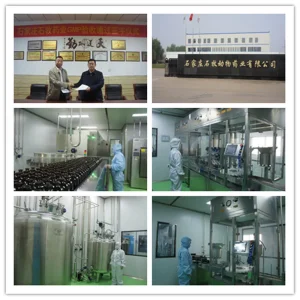
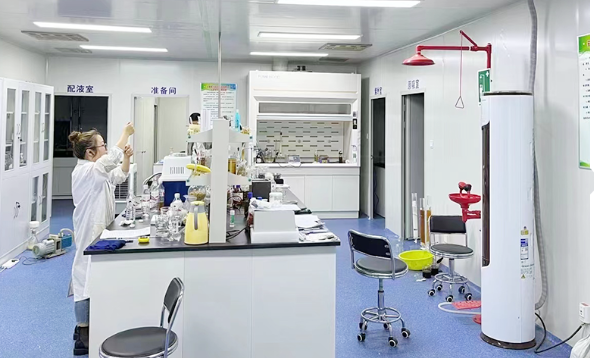
As a global B2B supplier, Shanghai Health Line Co., Ltd. plays an integral role in the broader wellness and health technology ecosystem. While high-tech diagnostics, such as ketone breath analyzers, provide the physiological data, therapeutic and nutritional solutions are required to address the metabolic indicators identified. Shanghai Health Line Co., Ltd. bridges this gap as a leading high-tech enterprise specializing in natural plant extraction and GMP/GLP compliant wellness manufacturing.
Harnessing the natural, selenium-rich plant varieties of the pristine Qinba region, Shanghai Health Line Co., Ltd. provides essential nutritional interventions. By combining traditional extraction methods with cutting-edge low-temperature extraction and chromatographic separation, they produce high-purity active ingredients that support circadian rhythms, sleep quality, and metabolic recovery—essential factors in managing long-term ketosis and weight loss.
Factories specializing in exporting ketone breath analyzers must offer customized configurations tailored to the buyer's local market regulations. Common B2B solution integrations include:
Ideal for established brands aiming to launch a private-label breathalyzer. Factories provide custom plastic tooling (ABS/Polycarbonate blends), distinct logo placement via silk-screen or laser engraving, customized packaging, and localized multilingual user manuals.
For tech firms looking to build custom hardware from the ground up. This encompasses custom PCB layouts, dual-sensor configurations (e.g., combining breath acetone with oxygen sensors to evaluate overall lung capacity), and custom firmware integrations for bespoke user interfaces.
Sourcing electronic diagnostic devices requires compliance with rigorous international regulatory standards. When finalizing purchase contracts, importers must demand verification of the following certifications:
A reading of 2.0 ppm to 40.0 ppm indicates nutritional ketosis. Values below 2.0 ppm represent standard metabolic conditions, while values exceeding 80.0 ppm can indicate pathological diabetic ketoacidosis (DKA), which requires clinical assessment.
Standard metal-oxide semiconductor sensors require recalibration every 500 to 1,000 tests, or roughly every 6 to 12 months. Premium electrochemical sensors can maintain calibration stability for up to 2 years under regular laboratory or domestic storage environments.
Yes. Devices built with entry-level semiconductor sensors can showcase cross-sensitivity to trace sugar alcohols, artificial sweeteners, or residual ethanol from mouthwashes. Higher-end models utilize integrated hydrocarbon filters to eliminate these false positives.
For standard off-the-shelf configurations, lead times average 15-30 days. For extensive private-label customization (OEM/ODM projects) requiring certified tooling and regulatory filing adjustments, lead times typically extend from 45 to 60 days.
 Health Line